
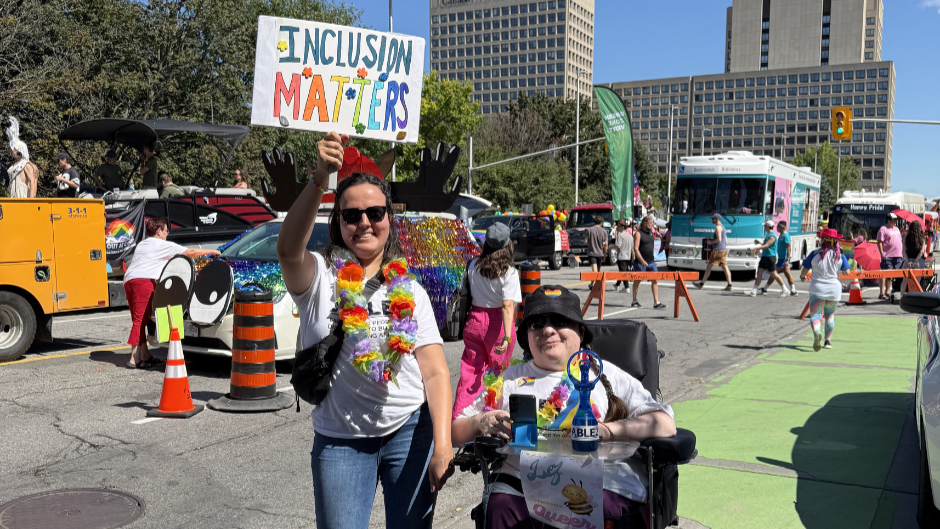
National Volunteer Week is a time to celebrate and ignite the heartbeat of the communities: volunteers. As Volunteer Canada’s theme reminds us this year, igniting volunteers is more than appreciation, but about fueling purpose, connection, and impact. They do more than fill the gaps where small organizations like ours are limited. Volunteers bring specialized skills, deep commitment, and authentic community connection, often providing support that paid staff alone cannot. They are dedicated individuals investing their most valuable resources—time, skills, energies—into work they believe matters.
But as we celebrate volunteers, appreciation alone isn’t enough. The thank-you notes and recognition events are well-intentioned, but volunteers deserve to be treated as strategic partners in an organization’s mission. They deserve meaningful, accessible, and well-designed volunteer experiences that reflect the value of what they contribute to the people and communities we serve, and treating them with the same respect we give paid work.
At ABLE2, more than 500 volunteers contribute up to 16,000 hours each year. They provide critical legal services and resources through the Reach Legal Referral Services. They build genuine friendships as Allies in our Matching Program. They help bring community together through events like Evening in the Maritimes, the Annual Picnic, and the Holiday Dinner & Dance. Their contributions are vital to bring our vision to reality—an inclusive community where every person, regardless of ability, is seen as able, important, and valued.
Over time, we’ve learned what moves people from ‘helping out when they can’ to becoming deeply engaged advocates, ambassadors, and champions of inclusion. The difference is not gratitude. Its intention.
Meaningful volunteerism begins with growth and purpose. Instead of asking ‘how can you help us?’, we must ask, ‘how can we create environments where your skills, talents, and lived experience can flourish?’ Our most engaged volunteers are those who are given opportunities to learn, to lead, and to connect. They want to do more than just clock in hours; they want belonging. When that happens, organizations benefit from deeper commitment, greater impact, and stronger community ties.
Meaningful volunteer engagement also requires intentional recognition. Not just certificates or tokens of appreciation (which are great gestures nevertheless), but real integration into the work, valuing expertise, respecting their perspectives, and supporting them where they need it. Setting volunteers up for success and allowing them to lead where their contributions are most meaningful has far greater impact than any formal recognition alone.
Most importantly, meaningful volunteer experiences must be accessible from the start. Volunteers bring different abilities, schedules, communication styles, identities, and needs. Inclusive volunteerism means building flexibility into roles, not treating the accessibility as an add-on. This is where many organizations, including ours at times, must continue to push ourselves.
Some of the most impactful volunteers in our community are people with lived experience of disability. They bring insight, empathy, and understanding that cannot be taught. Yet rigid expectations, inaccessible processes, and unfounded assumptions too often exclude them. People with disabilities are not only recipients of services, but are contributors, leaders, and changemakers.
Organizations that invest properly in volunteer engagement, through accessibility, training, meaningful roles, and genuine appreciation, gain far more than just getting the work done. They gain diverse perspectives that strengthen the mission, ambassadors who advocate in the community, increased trust and credibility, and resilient volunteer networks.
This kind of engagement requires resources. Volunteer coordination takes time. Thoughtful role design takes planning. Accessibility requires planning. Recognition must be ongoing and sincere. But the return of investment is undeniable.
Volunteerism should never be about extracting time or labour. It should be about building community—creating spaces where people can contribute their skills, feel connected to something bigger, and know their efforts matter.
ABLE2 has intentionally invested in its volunteer program because we believe our volunteers are not helpers on the sidelines, but strategic partners at the heart of our mission. Their time changes lives, and their commitment helps build stronger, more inclusive communities.
Inclusion must be imbedded in how volunteer opportunities are designed and led. That means:
- Designing flexible roles that meet people where they are, rather than expecting them to fit a mould
- Defining clear expectations and meaningful work that connects individual contributions to real impact
- Recognizing contributions in ways that are genuine and personal, not transactional or performative
- Creating pathways for volunteers to grow, lead, and shape the work itself, not just support it
Because when leaders intentionally build volunteer experiences with care and inclusion, volunteers don’t simply fill gaps, but deepen impact, strengthen culture, and help organizations thrive.
This National Volunteer Week, let’s take the call to ignite volunteers to heart. Not through words alone, but through the intentional choices we make as leaders: how we design roles, remove barriers, recognize contributions, and create space for people to belong and lead. When volunteer experiences are accessible, meaningful, and inclusive, everyone has the opportunity to give and to grow.
I’d love to learn from this community: What does truly meaningful volunteer engagement look like in your organization, and what’s one barrier you’re still working to remove?
Published by
Experienced Non-Profit Executive Director