The opportunity gap for people with disabilities

Imagine being offered a job you actually want. The pay is fair, the team is supportive, and the work is meaningful. Then you do the math. Every dollar earned beyond a certain threshold reduces your ODSP support. The potential promotion, extra hours, or higher salary that should move you forward suddenly comes with financial risk. This is the reality for many people with disabilities receiving disability benefits. This is the reality for many people with disabilities receiving disability benefits. 

There is no question that the barriers are real. Statistics Canada reported in 2022 that 62% of Canadians with disabilities aged 25 to 64 were employed, compared to 78% of those without disabilities. Yet more than 740,000 non-employed Canadians with disabilities were identified as having the potential to work in an inclusive and accommodating labour market. The talent exists—but too often, the opportunities do not. 

While governments have an important role to play in addressing systemic barriers, employers and organizational leaders have responsibilities too. Expanding opportunities for people with disabilities is about more than inclusion. It’s opening pathways to talent, leadership, and innovation that organizations cannot afford to overlook.

The business case is compelling. Ontario Tim Hortons franchise owner Mark Wafer, who employed dozens of people with disabilities across his restaurants, reported lower turnover, lower absenteeism, improved workplace safety, and higher productivity. He has often spoken about how employees with disabilities became some of his strongest performers and contributed to a more innovative and loyal workforce. Inclusive hiring, in this case, became a competitive advantage for his business. 

But hiring is only the beginning. If employers benefit from hiring people with disabilities, they will also benefit from investing in their growth. 

Mainstream conversations about disability and employment focus on getting people into jobs. That matters, but we rarely ask where they are five or ten years later. Are people with disabilities building careers? Are they moving into leadership positions? Are they gaining the skills, experience, and opportunities needed to achieve greater financial independence? Or are they expected to remain in the same roles indefinitely, grateful simply to be employed?

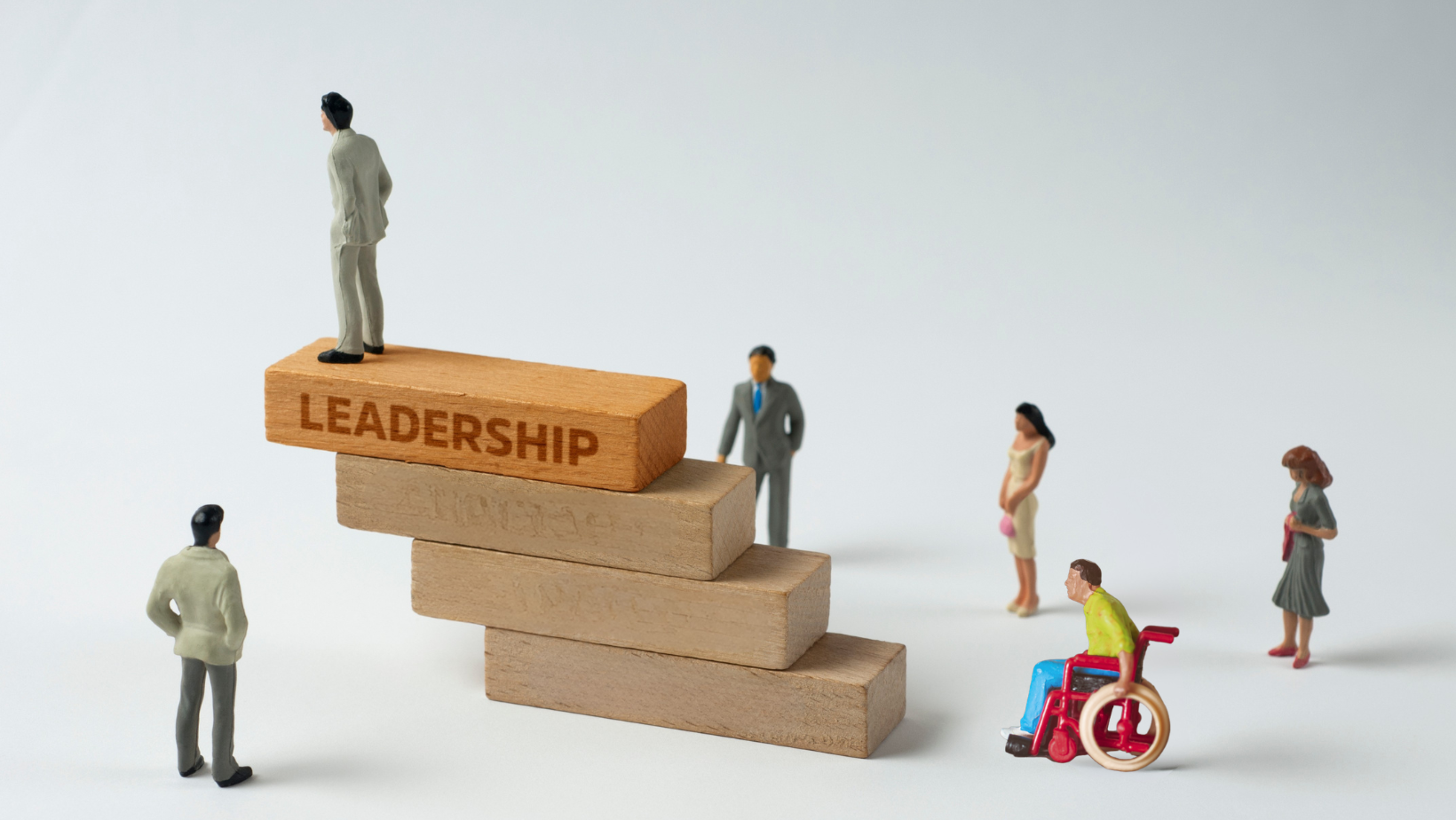
If people with disabilities make up more than one quarter of Canada’s population, why are they so rarely represented in leadership roles? Statistics Canada found that only 0.8% of corporate executives identified as having a disability. That gap should make us ask not whether talent exists, but whether pathways to leadership do. And too often, career pathways narrow long before leadership opportunities come into view. 

The challenge isn’t getting people with disabilities into jobs. It’s ensuring they have the same opportunities to grow, advance, and lead. I acknowledge that not everyone wants to become a manager or executive, and that’s perfectly fine. The issue is whether those who want to grow have the same opportunities to do so as everyone else.

If we are serious about creating accessible workplaces, we need to think beyond recruitment and ask who is being mentored, who is being encouraged to take on new responsibilities, who is being considered for advancement, and who is being overlooked. Sometimes that starts with something as simple as identifying employees with leadership potential and creating development plans for them, just as you would for any other high-performing employee.

Professional development matters because it creates pathways to leadership, higher earnings, greater confidence and self-determination. And more importantly, investing in professional growth sends a powerful message: we see your potential, we’re investing in you.

I was recently listening to the Voices of ABLE2 podcast featuring disability champion and former NHL player Jim Kyte. As the first deaf player in NHL history, Jim spoke about his unique strategies to adapt to the sport, allowing him to outperform many of his peers and compete at the highest level of the game. He also spoke about advocating for accessible transportation in Gatineau Park, when the National Capital Commission (NCC) limited access to self-propelled modes of transportation during the pandemic. His efforts helped influence the provision of on-demand shuttle services, improving access for everyone. What stood out to me was how lived experience shaped his perspective, not only in recognizing barriers, but in finding solutions that benefited everyone. This is the kind of leadership people with disabilities bring when they’re given opportunities to influence decisions and drive change. 

When people with disabilities advance into leadership positions, they bring perspectives that challenge assumptions, improve accessibility, and often lead to better outcomes for everyone. Their lived experience becomes an asset, not only for people with disabilities, but for organizations, communities, and society as a whole.

At ABLE2, we work every day to help people build toward greater independence through programs that support skill development, financial literacy, self-advocacy, and employment readiness. We can help prepare people for opportunity, but opportunity must also exist. 

That is where employers come in.

I’m asking leaders in my network to look beyond hiring targets and think about growth. Consider whether employees with disabilities on your team are receiving meaningful opportunities to learn, lead, and advance. Are they being developed for the next step in their careers? Or have they been sitting in the same role for years with no clear pathway forward? We often talk about the untapped potential of people with disabilities. Perhaps it’s time to ask whether the real untapped potential lies within our workplaces.

The difference between employment and true inclusion is opportunity.

When we invest in the professional growth of people with disabilities, we are investing in future leaders, innovators, and changemakers. We are creating pathways to greater independence and strengthening our organizations in the process.

I’d love to hear from employers, managers, and fellow leaders: what is one thing your organization is doing, or could do, to better support the professional growth of employees with disabilities?


Published by

Heather Lacey

Experienced Non-Profit Executive Director
Read Heather’s other articles here

From Match to Family: David and Ryan’s Friendship

Almost a decade ago, David joined ABLE2’s Matching Program hoping to expand his social circle and build connections in the community. Living with Asperger’s syndrome, he describes himself as a naturally social person, but he was looking for someone he could spend time with, learn from, and trust. 

“I was looking for someone to confide in,” David says. “Someone who could be like a compass in life.”

Ryan discovered ABLE2 while searching for volunteer opportunities in the community. He was immediately drawn to the simplicity of the idea behind the Matching Program. Working in data and statistics, he knew that people with disabilities often have smaller social networks and fewer opportunities for connection. Ryan decided that he wanted to help change that and be one more person in someone’s circle. “It’s such a simple idea,” Ryan explains. “You spend time together, share experiences, and get to know each other.” 

Like many new matches, both arrived at their first meeting feeling a little nervous. “I was hoping David would like me,” Ryan recalls. “I was hoping our friendship would prosper and that we would hit it off.” 

Fortunately, there was little to worry about. David’s warmth and natural ability to connect with people quickly put Ryan at ease. “David will walk into a room and immediately look to make friendships,” Ryan says. “That’s just his nature.” One of David’s favourite sayings is, “Make as many friends as you can,” and it’s something he lives by every day. He’s friends with the servers at the restaurants, staff at the movie theatre, or even at the barber shop he frequents. Ryan has come to admire that quality in his friend.

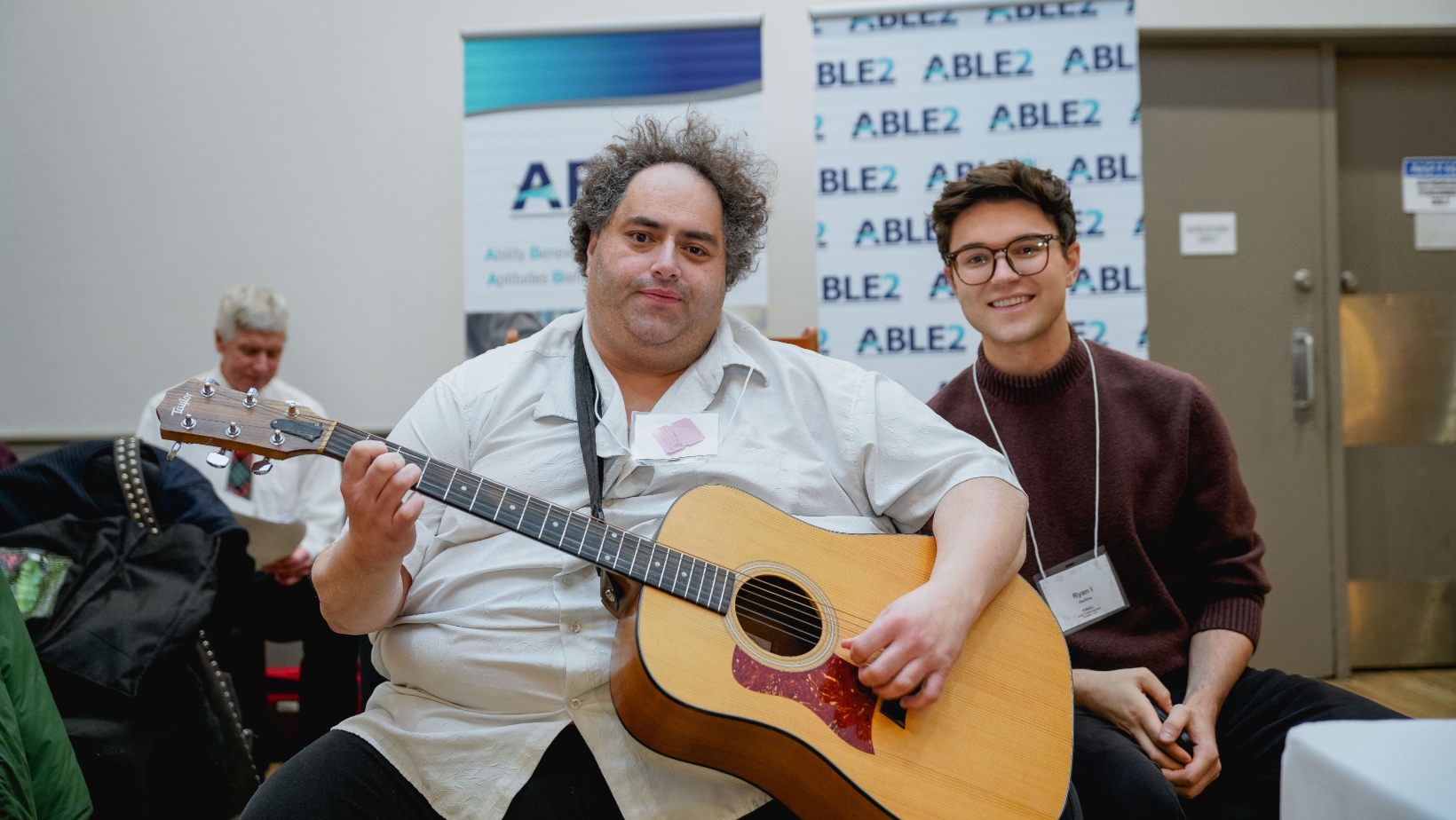
Ryan and David at their Match anniversary celebration with family and friends

Before long, they were exploring Ottawa together, trying new activities and creating traditions of their own. They have gone to hockey games, played pool, went swimming, watched theatre productions, and shared countless meals and conversations along the way. Ryan laughs that David is an encyclopedia of television and movie knowledge. “David introduced me to a lot of things that I might not have done before,” he says.

Nearly eight years later, what began as a match between an Ally and a Friend, became something so much more meaningful. “I hesitate to even call it a volunteer role at this point,” says Ryan. 

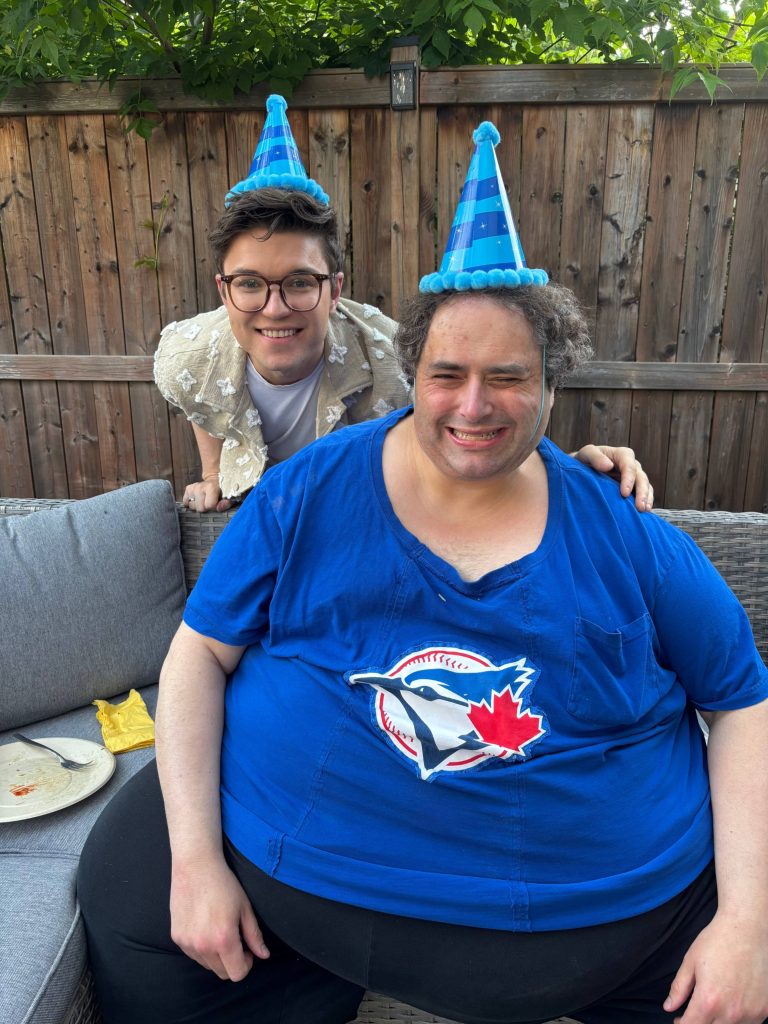
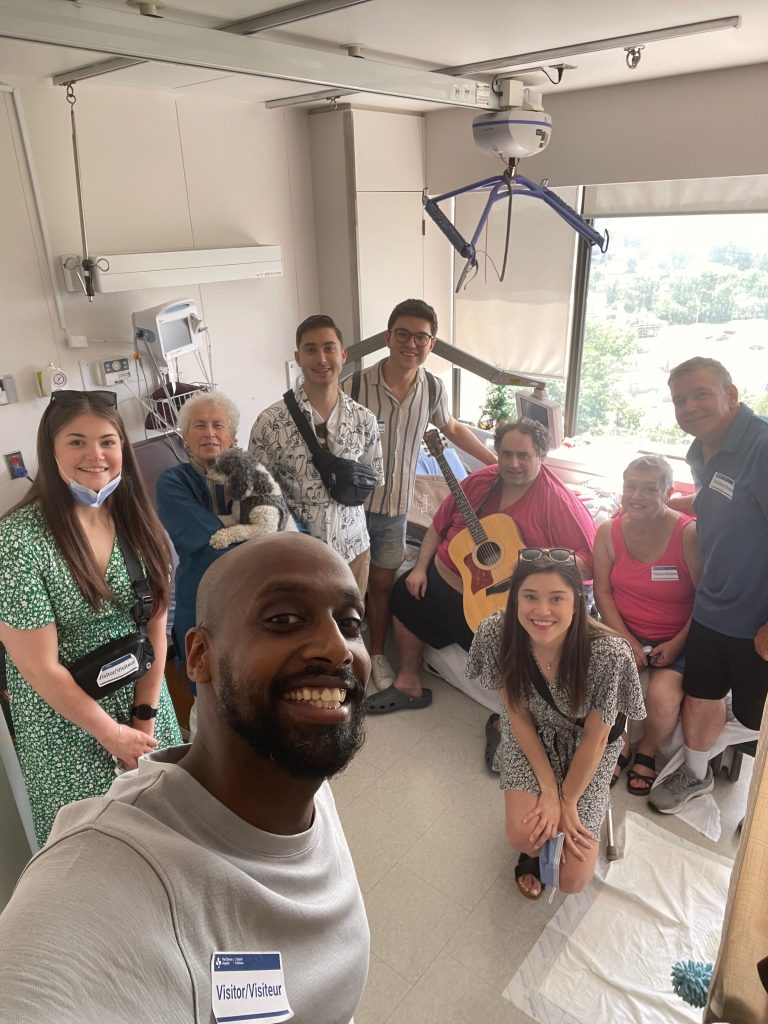
Their friendship has grown into something that feels like family. David has been welcomed into Ryan’s family gatherings and celebrations, while Ryan has shared important moments with David and his loved ones. One year, when David was hospitalized on the same birthday Ryan shared with David’s mother, Ryan and the family brought the celebration to David’s hospital room instead.

Over time, they have stood beside one another through some of life’s hardest moments. When Ryan’s mother underwent cancer treatment, David offered steadfast support. Later, when David’s mother faced her own battle with cancer, Ryan was there for them in return. Their friendship deepened through those experiences, proving that showing up for someone can matter more than words ever could.

One of the moments Ryan treasures most was when David asked to join him on a Pride Parade float. Early in their friendship, Ryan admits he was unsure how David might respond to him being openly gay. Those worries quickly disappeared when David embraced Ryan’s identity wholeheartedly, an enthusiastically volunteered to take part in the Pride festivities. For David, acceptance has always been simple. “True love is what you feel in your mind and in your heart,” he shares. That experience was unforgettable for Ryan, and says, “David showing up for me in that way was really special.”

Ryan bringing the party to David’s hospital room.

Finally, when asked what someone might gain from joining ABLE2’s Matching Program, David doesn’t hesitate. “They’ll get lifelong friendships that are like family,” he says.

Ryan agrees. When he first joined the program, he remembers meeting matches who had been together for 10, 20, and even 30 years. At the time, those friendships felt almost impossible to imagine. 

“Now that we’re coming up on eight years, it doesn’t seem unattainable at all,” he says. “It feels natural. You spend time together, support each other through life, and before you know it, this person becomes an important part of your world.”

What has stayed with Ryan most is the community behind the program. “Everyone I’ve met through ABLE2 believes deeply in inclusion, advocacy, and connection,” he says. “To know that our friendship is one small part of that bigger mission is really special.”

David offers a final piece of advice for anyone considering volunteering:

“Don’t be afraid to try new experiences,” he says. “You’d be surprised what can happen when you open your mind.”

Looking back, neither David nor Ryan could have predicted where that first meeting would lead. What began as a match became a friendship. That friendship became a support system. And over the years, it became family. Their story is a reminder that sometimes the most meaningful relationships start with a simple introduction and a willingness to say yes.

For over 50 years, ABLE2’s Matching Program has been creating one-on-one intentional friendships like David and Ryan’s—connections that reduce isolation, foster belonging, and create lasting impact. 

Your support makes friendships like theirs possible. By donating, volunteering, or sharing the word about ABLE2’s work, you help ensure that more people with disabilities find lifelong friendships, acceptance, and community. 

Learn more about how you can support this work here

Meet Tyler, ABLE2’s Matching Program Worker

“Too good to be true”—that’s how Tyler Eisan describes his experience working at ABLE2.

There’s a genuine sense of gratitude in his voice, like someone who didn’t just find a job, but a place where he truly feels he belongs. “A friend told me about ABLE2, and honestly, working here has been pretty incredible,” he shares. 

Tyler joined ABLE2 in August 2025 as a Matching Program Worker, and in just under a year, he has become a vital part of a program that fosters meaningful relationships between people with disabilities, volunteers, and the broader community. 

For Tyler, the work in the field feels less like a career choice and more like a natural calling. With a background in Child and Youth Work, he has long been drawn to roles where he can make a meaningful difference in people’s lives.

“Helping others is something that’s second nature to me,” he explains. “Sometimes people with disabilities require more support, and I felt I had the capacity and personality to do that work.” 

Before joining ABLE2, Tyler worked with adults with developmental disabilities, an experience that shaped both his skills and perspective. That foundation made the transition to ABLE2 a natural fit, where connection and care are at the heart of the work. 

In his current role, Tyler’s matches “Friends” or individuals with disabilities with “Allies” or volunteers who provide social companionship and support. No two days are the same, but each day he intentionally spends communicating and building relationships with the people he supports. He checks in on Friends, both matched or on the waitlist, finding potential matches, collaborating with social workers, and working with colleagues to strengthen the ABLE2’s mission.

“It’s a lot of back-and-forth calls and emails,” he says. “But mostly it’s learning about people, about what works, and how we can improve.” 

But what makes the work truly rewarding for Tyler isn’t just the process, but the people he meets every day. 

“What I find most rewarding is simply getting to know people,” he says. “Sometimes it’s as simple as going out for coffee and sitting down to chat.” Unlike his previous roles that focused heavily on outcomes and deliverables, Tyler’s role at ABLE2 emphasizes genuine human connection. 

“Here, it’s about building rapport and real connections with the people we support,” he says. “It feels amazing when someone tells you they’ve found a match that really works. That they’ve connected with someone who gets them.”

He recalls visiting a Friend at their group home for what was meant to be a brief meeting. “We ended up talking well beyond my work hours,” he laughs. “We both lost track of time. It was just a great conversation!” 

When asked about any memorable moments he’s encountered as a Matching Program Worker, he doesn’t hesitate. He recalls working with an individual who had long wanted to attend ABLE2’s Holiday Dinner & Dance for many years, but consistently faced barriers due to their specific care needs. Tyler worked closely with the individual’s group home and support team to ensure everything was accommodated. All the coordination paid off, and the individual was finally able to attend the event. The result was unforgettable, not just for Tyler, but for the individual most of all.

“He kept telling me how much fun he had, and how excited he was about coming to our next events. That kind of joy and gratitude really sticks with you,” he reflects. 

Tyler’s role has also focused on strengthening the Connect Friendly Callers program, which is a virtual option of matching Friends and Allies remotely. 

“Not everyone can do in-person matches. But with Connect, people can still form meaningful relationships, whether it’s through playing video games online or just chatting over text,” he explains. Since joining ABLE2, Tyler has already helped facilitate several matches, including hybrid connections that have opted to do both virtual and in-person interactions. 

He’s also been involved in developing the GROW Financial Literacy Series, which provided valuable resources and education to help individuals with disabilities and their families strengthen financial knowledge and independence.

Like any people-centered role, the work comes with challenges. Scheduling conflicts and missed appointments are common hurdles, but Tyler approaches these challenges with patience. “You have to be understanding,” he says. “People have a lot going on. Being flexible is key.”

He also credits his team for creating a supportive environment where challenges are shared and solutions are collaborative. “We talk things through, share the load, and figure things out together,” he says. “That support makes a big difference.”

As Tyler continues to grow in his role, he’s focused on both personal and professional goals. He hopes to remain with the Matching Program long-term while continuing to strengthen and expand its impact. “I want to help set it up for success, and build on what we’ve already accomplished,” he says. 

Having worked with several organizations in the field, Tyler is clear about what sets ABLE2 apart.

“It always comes back to the best interests of people with disabilities,” he says. “Every conversation is rooted in compassion, and everyone is open to listening.”

That openness, combined with a shared sense of purpose, creates an environment where both staff and participants can flourish.

“For me, it’s the first time a job has felt this good,” Tyler says. “And that says a lot.”

Recently, Tyler stepped into an exciting new role—father to a three-month-old baby.

Between nurturing meaningful connections at work and caring for his newborn at home, his life is filled with the same kind of connection he helps create every day.

Whether it’s through a simple coffee chat, a shared laugh, or a lasting friendship, Tyler is helping build a community where everyone feels seen, valued, and understood.

Congratulations to Tyler and his family on their new, precious addition! 

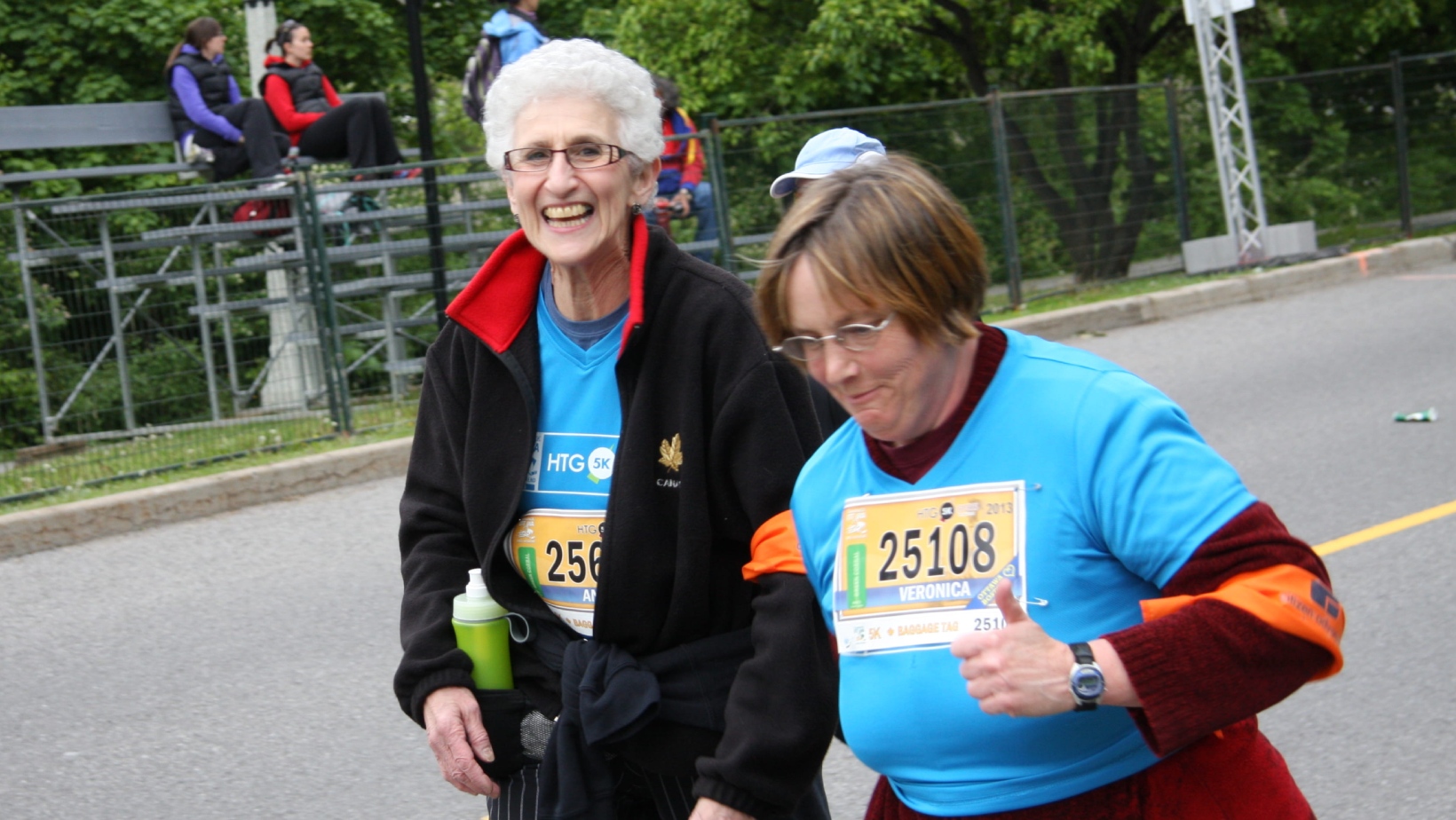
Weathering Life Together: Anna and Veronica’s Enduring Friendship

When you listen to Anna and Veronica talk about their friendship, there is warmth and ease between them that only comes from years of knowing and trusting one another. While they have been officially matched for 10 years, their friendship began long before that, rooted in a connection that has grown steadily over decades.

“We were already friends,” Anna says. “And we will remain friends, no matter what.”

Anna had already been involved with the organization in its early days in the 80s, first as a volunteer Ally, and later as a member of the Board of Directors. Her motivation to be more involved was simple and deeply personal: “I thought it would be good for my kids. They were young, and they should grow up knowing that people with disabilities are just regular people, and they belong in the community.”

Veronica, on the other hand, came to ABLE2 after her mother encouraged her to seek out more social connections. She had several matches, and over the years, became actively involved as a volunteer with the organization. She became the first chair of the Consumer Advisory Committee and served on the Board of Directors, helping ensure that lived experience shaped the organization’s direction.

That shared commitment is what first brought Anna and Veronica together. 

Through many car rides home, organizing events, and supporting fundraising initiatives together, their connection deepened. When their previous matches ended, becoming officially matched simply felt right. As Anna describes it, it felt like a ‘logical match’. 

They’ve walked side by side at many Ottawa Race Weekend events, volunteered at events, and appeared on local TV to raise awareness, raise funds, and contribute to causes close to their hearts.  

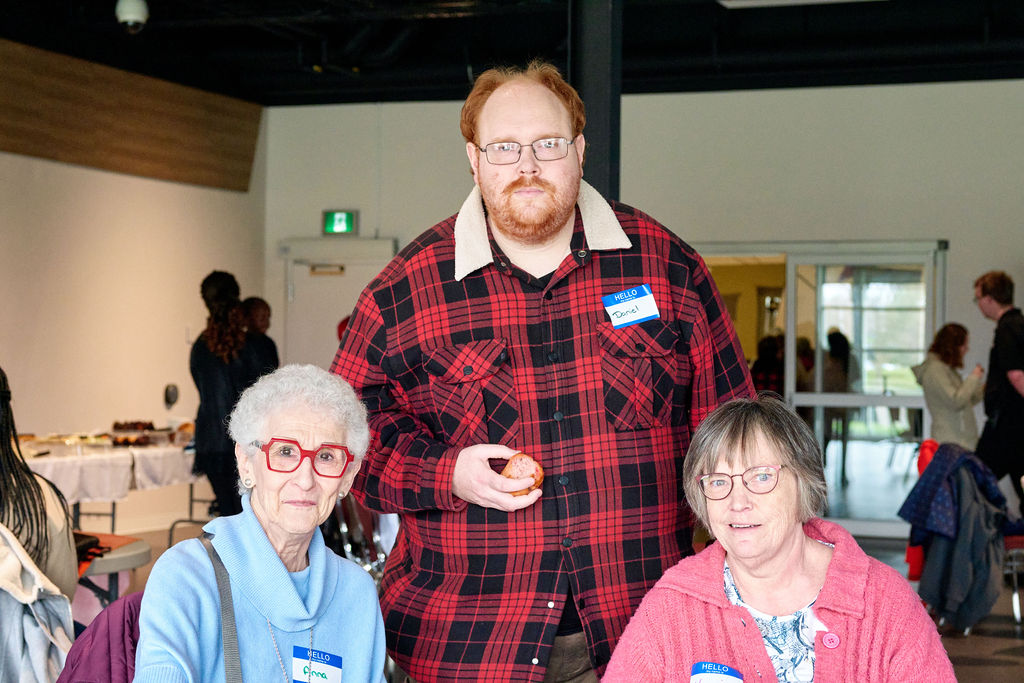
One story still stands out for Anna and Veronica. At an external fundraising event in the community, the organizers were initially hesitant to allow Veronica and her son, Daniel to volunteer because of their disabilities. Anna advocated for them and firmly insisted that they be given the opportunity. They stayed, and years later, even when Anna could no longer volunteer at that same event, Veronica and Daniel continued to show up.

For Veronica, being part of these experiences has meant a great deal. “It’s important to get out in the community and meet people,” she says. “I love being involved, helping out, being part of events.” 

When they aren’t busy with volunteering and fundraising, they simply enjoy each other’s company. They love going out to try different diners and cafes around the city. “Stick with Veronica, we’ll do it all,” Anna says with a smile. 

But it’s during life’s more difficult moments that their bond is felt most deeply. 

When Veronica needed surgery, Anna stayed with her at the hospital. “She came for me, and that meant a lot,” she shares. Likewise, when Anna was faced with her own battle with cancer, Veronica remained by her side. Through illness, family challenges, and loss, Anna and Veronica continue to show up for each other, not just in the good days, but when it matters most. We weather the storms together,” Anna says. 

That kind of presence is not something either of them takes for granted. It has brought comfort, strength and a sense of stability to both their lives. 

Today, their friendship continues in the same quiet, meaningful way it always has: through phone calls, shared meals, and time spent together whenever they can. They have become constants in each other’s live, moving forward side by side. 

For Anna, what began as volunteering has become something deeply personal. “It’s good for both sides,” she reflects. “It opens your eyes to things you don’t always see.” 

Their friendship reflects the core of ABLE2’s Matching Program: connection is not one-sided. It grows over time, through trust and shared experiences, and the genuine commitment to show up for one another.

For Veronica, being part of ABLE2 has been both empowering and meaningful. It has created space for her to expand her social connections, give back to the community, and help others feel included. “It’s important to get out in the community and meet people,” she says.

Anna understands how important that is, especially in moments when life feels heavy. “Things happen in life, and it’s easy to withdraw,” she reflects. “ABLE2 creates opportunities for people to feel valued, to participate, and to build real friendships.”

And they both have done exactly that, not only for each other, but for the broader community around them.  

Their story is a reminder that friendship does not need to be extraordinary to be life-changing. Sometimes, it’s found in simple moments spent together, and in choosing to show up for each other. 

For over 50 years, ABLE2’s Matching Program has been changing lives, creating intentional, one-to-one friendships between individuals with disabilities and volunteers. These matches reduce social isolation, build confidence, and offer meaningful connections. 

Your support makes friendships like Anna and Veronica’s possible. By donatingvolunteering, or spreading the word, you help ensure no one walks through life alone.

Learn more or get involved at www.able2.org.

Carrying PRIDE forward at the intersection

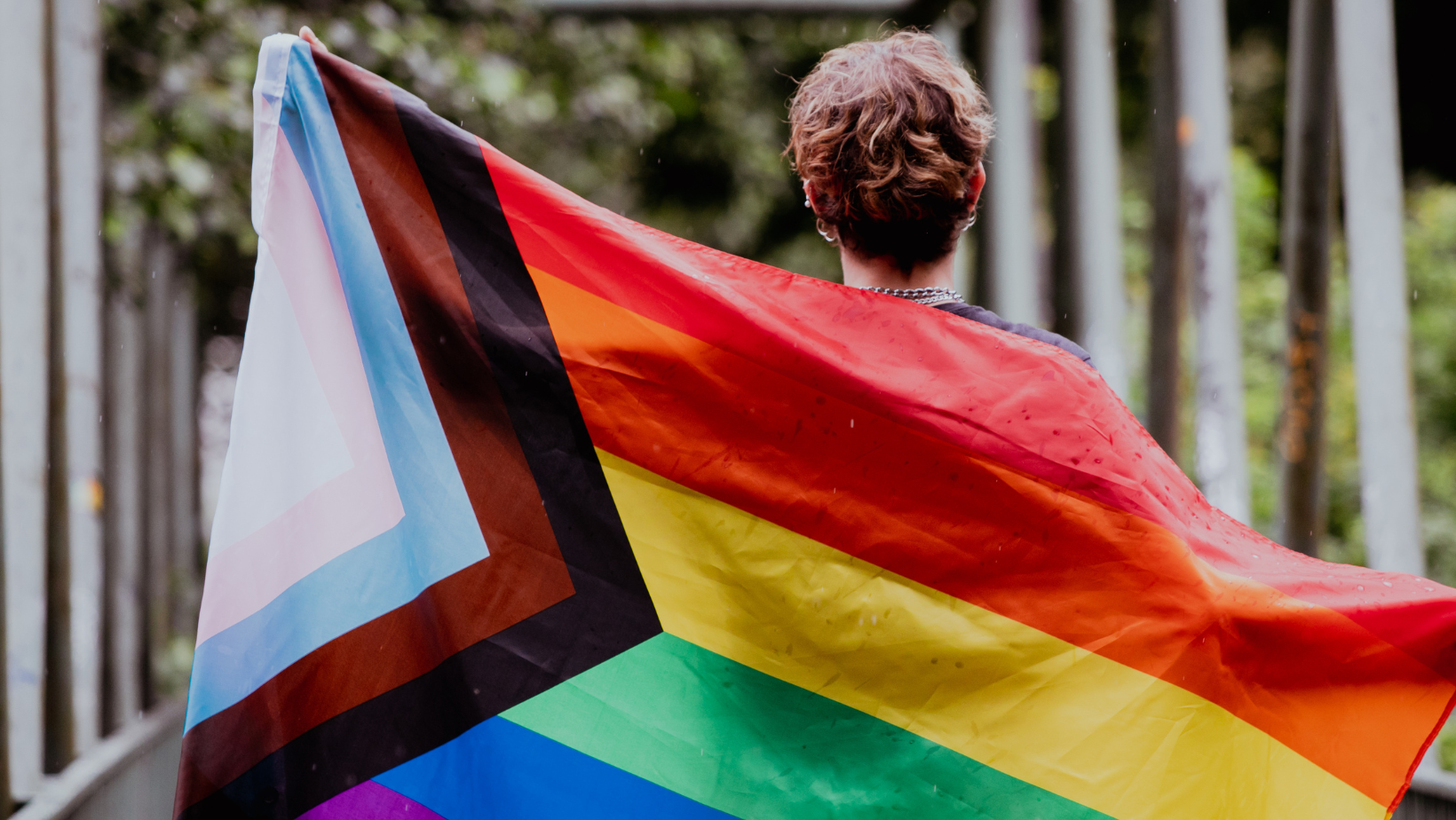
Every June, Pride month arrives in full colour—parades, flags, celebrations for the hard-won progress, decades in the making. Then July follows with Disability Pride, tamer but no less important, carrying its own history and its own call to be recognized. Both moments invite celebration, but for many, Pride doesn’t begin there. Pride begins with resistance—with the decision to exist openly in a world that hasn’t always made space for you. 

It helps to look at where both movements began. For decades, queerness was treated as something to diagnose, suppress, or hide. Disability has carried a similar history, framed for generations as something to be cured or kept separated from the rest of the community. Pride, in both cases, was not born from celebration. It came from the refusal to apologize for who you are, how you move through the world, or who you love.  

That distinction matters because for a lot of people, especially those living with chronic pain, degenerative conditions, or identities their own families and communities still struggle to accept, ‘pride’ can feel like a pressure to perform a sense of joy that doesn’t reflect their reality. And that was never the point. Pride doesn’t ask anyone to love their own circumstances. Pride asks the world to stop deciding how people should feel about themselves.

This perspective becomes clearer when we look at people living at the intersection of these identities. In Canada, over 700,000 Canadians aged 15 and older identify as 2SLGBTQIA+ and live with one or more disabilities. These individuals sit at the crossroad of multiple marginalized identities. The barriers they face are amplified by stigma, systemic gaps in services, and systems that weren’t designed with them in mind. 

Imagine living in a world that already questions your capabilities and also invalidates your identity. Imagine needing to disclose not just a disability, but also who you are or who you love, in healthcare systems, housing, employment, education, etc. Research consistently shows that 2SLGBTQIA+ individuals with disabilities are more likely to experience mental health challenges, face barriers to equitable services, and experience victimization because of who they are. For this population, simply existing openly can be its own form of bravery. 

And yet, the people living this reality are not defined by the barriers. They are often deeply self-aware of systems, of support, of what inclusion should actually feel like, because they have had to advocate for it in many ways others haven’t. That lived experience brings a kind of wisdom and resilience that no policy or training can replicate. 

This conversation feels especially urgent right now. We continue to see Diversity, Equity, Inclusion (DEI) efforts come under scrutiny, and in some cases, rolled back. When events designed to foster understanding and belonging are cancelled (like the recent decision to call off a drag storytime in a school setting), it raises an important question: what message are we sending to young people about who is welcome, and who is not? It’s 2026, and yet we are still seeing hesitation in spaces that are meant to be inclusive. There truly is more work to be done. 

At ABLE2, this is the work we return to every day. We are proud to stand alongside the 2LSGBTQIA+ community, especially those living with disabilities, and to provide the tools, resources, and tailored support that empower them to live with confidence and self-determination. Our Reach Legal Referral Services connects individuals with disabilities with a network of volunteer legal professionals who help them challenge discrimination and assert their rights. Our mission isn’t just to support people, but to empower them to advocate for themselves, and to build lives that are fuller, safer, and lived on their own terms. 

As June gives way to July, I’m asking my fellow leaders and advocates to carry this reframing forward. Pride isn’t just a slogan or about raising rainbow flags for one month a year. It’s an ongoing commitment to making spaces for people as they are, regardless of their identities and abilities. It’s allowing people to express themselves fully and participate in ways that are meaningful to them, without asking them first to fit into the mould they are expected to fit into. 

In celebrating, advocating, and pushing this work forward, I’ll leave you with a question: 

What is one decision you can make today that would make it easier for someone with intersecting identities to show up and participate fully in your space?

Published by

Heather Lacey

Experienced Non-Profit Executive Director
Read Heather’s other articles here

Lucky 7 Years of Lisa and Linda’s Friendship

“It was a slushy day, and Lisa wore her red suede high-heeled boots,” Linda recalls of the first time she and her Friend met. “I don’t remember all the details, but I just remember it being easy. Everything just clicked.” 

For Linda, that meeting came at a moment of transition. Newly retired from a clerical and research-heavy career, she found herself searching for something different. She missed the natural rhythm of daily interaction and, with more time on her hands, began looking for volunteer opportunities that also offered connection. She signed up as an Ally with ABLE2’s Matching Program with some hesitation, mindful of her own disability and what participation might require. But as she learned more about the program’s structure and the support provided by the social workers, she felt reassured.

Lisa had been waiting for a connection of her own. “I didn’t have many friends, I felt isolated,” she shares. She worked part-time in security, but outside of her job, her social world was limited. She hoped to meet an Ally to spend time with, someone to go outdoors with, talk to, and simply be herself around. 

In 2019, Linda and Lisa were matched, and neither knew quite what to expect. 

Lisa remembers feeling nervous. “What if she didn’t like me?” she recalls. But Linda’s warmth and easygoing nature quickly put her at ease. Over time, their outings became familiar, then meaningful, and eventually something they both counted on. 

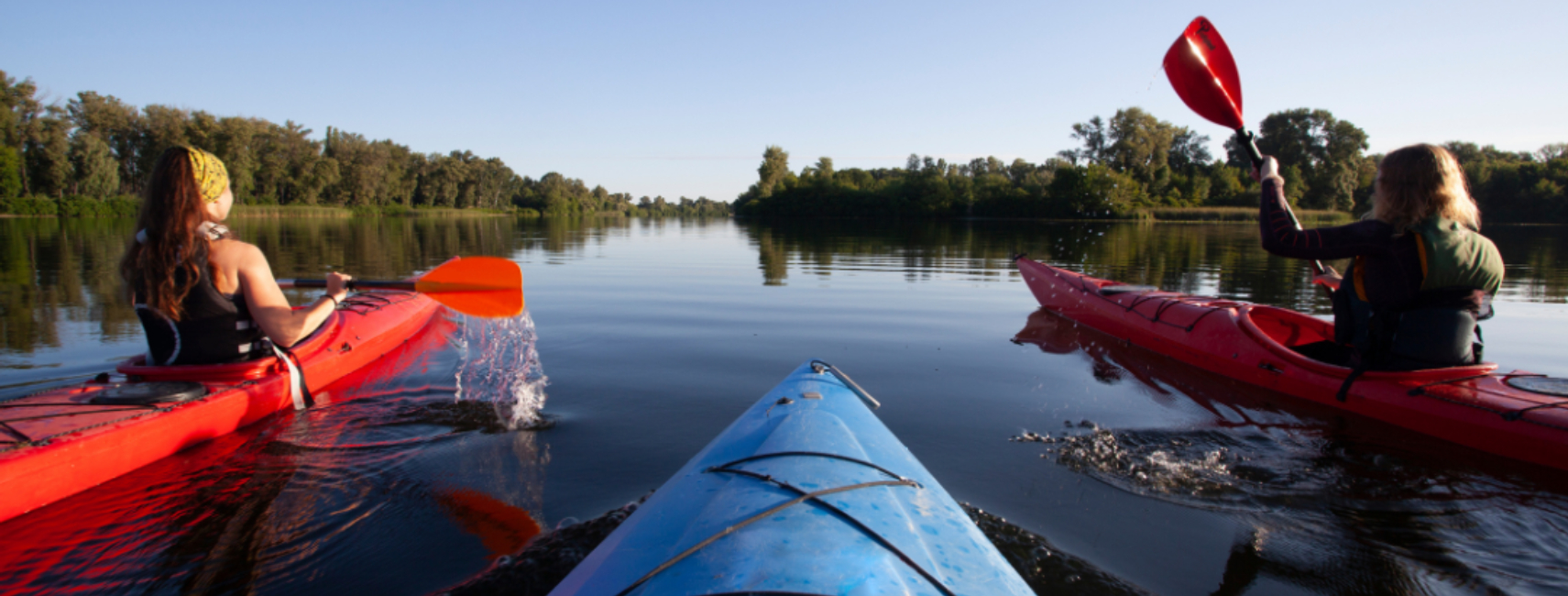
Today, they get together once or twice a month, sometimes more. They go grocery shopping, grab breakfast or lunch, and celebrate their birthdays and holidays together. Lisa cuts Linda’s hair regularly. They walk Lisa’s dog Ace, whom she adopted around the same time she met Linda. From kayaking to attending a Pitbull concert to accompanying each other to medical appointments, they simply enjoy being in each other’s company. Over the years, Lisa and Linda have become each other’s person, just by consistently showing up for one another. 

For Lisa, those moments have made a lasting difference. “Linda lightens my life,” she says. With Linda by her side, her anxiety about going out into the community has eased. She feels more confident, more relaxed, and happier in her day-to-day life. Having someone who consistently shows up has helped her feel safe, supported, and connected. 

For Linda, the impact is just as meaningful. “Our friendship changed my life too,” she says. “Lisa grounds me. She is my sounding board for a lot of my stuff, and we support each other.”

Both women understand what it means to live with a disability, and both were looking for connection. Neither expected to find someone who would fit so naturally into their lives. 

Looking back, Linda is clear about what made it work. “It’s not difficult at all. It benefits both of us in different ways. It’s a no-brainer.” Lisa agrees, and encourages others to consider volunteering: “If you have the extra time and mental state to do so, do it. There are people who really need a friend to go out with. It’s a life-changing opportunity.”

Seven years in, Linda and Lisa’s friendship is a reminder that impact doesn’t always come from big moments. Sometimes it grows quietly, through time spent together, through trust, and through simply being there. And sometimes, if you’re lucky, you find your person. 

For over 50 years, ABLE2’s Matching Program has been changing lives, creating intentional, one-to-one friendships between individuals with disabilities and volunteers. These matches reduce social isolation, build confidence, and offer meaningful connections.

Your support makes friendships like Lisa and Linda’s possible. By donatingvolunteering, or spreading the word, you help ensure no one walks through life alone.

Learn more or get involved at www.able2.org.

Sustaining the mission starts with sustaining our people

We recently wrapped up our largest annual fundraising event, Evening in the Maritimes, celebrating its 30-year milestone of impact, connection & community. It came together seamlessly, but behind the scenes, this one evening represents months of planning, coordination, and care from a small but deeply committed team, supported by an incredible group of volunteers. 

As I watched the room come together that night, I found myself thinking less about the event itself and more about the people behind it—the quiet leadership, the extra hours, the small decisions that no one sees but everyone benefits from. It was a reminder, not just as an Executive Director but as someone who has spent decades in this sector, that the people behind the work are our greatest asset.  

It’s National AccessAbility Week from May 31st to June 6th, a time to celebrate the accomplishments and leadership of Canadians with disabilities. But I find myself reflecting on how we should also be celebrating the people behind the work, the ones showing up every day to drive the mission forward, often in ways that go unseen. 

Over the years, I’ve come to believe that the organizations creating the most sustainable impact aren’t necessarily those with the biggest budgets. They are places where people stay and do meaningful work, without burning out in the process. They are the ones who have sustainable workplace environments, built with intention and a clear understanding that people need the right conditions to do their best work.

We often speak about accessibility in programs and communities, removing barriers so individuals with disabilities can fully participate. That same thinking should also apply within our organizations. Staff well-being needs to be treated as part of the accessibility standard.  

At ABLE2, that understanding has shaped our approach to workplace culture. Our work in disability advocacy has taught us that barriers aren’t always visible. Someone might struggle because the environment wasn’t designed with them in mind. Rigid systems exclude people, inflexible expectations wear people down, and the one-size-fits-all approaches leave people out. These patterns exist in workplaces too, even when we don’t immediately recognize them. 

When we ask staff to build resilience, we sometimes ask them to work around barriers we could remove. When we praise people for going above and beyond their roles or being available outside of their working hours, we reinforce a culture where overextension is seen as the norm. When someone reaches a breaking point, the focus shifts to self-care and boundaries, without fully examining whether the work itself was ever sustainable.

Resilience matters. But it cannot be the only strategy. 

What if we spent equal energy asking a different question: What barriers are making the work harder than it needs to be? 

When ABLE2 transitioned to remote work, the goal was to improve access by meeting people where they are, and to invest our resources more intentionally in our programs and services. In doing so, we removed barriers like commuting, rigid office hours, and the limitations of a physical office space. What became clear over time was how much this also mattered for our team. Staff who were managing chronic health conditions, caregiving responsibilities, sensory sensitivities, or mobility challenges were able to direct more of their energy into the work itself, instead of constantly adjusting their lives to fit around it. The work didn’t just get easier, but it became more possible to sustain.  

I also recognize that remote work isn’t an option for every organization. Many roles in our sector are rooted in in-person services, requiring physical space and equipment to deliver programs. And even in our own experience, working remotely comes with its own challenges like feeling disconnected at times, blurred boundaries between work and home, and differences in people’s home environments. It’s not a universal solution. But the principle holds: how we structure work can have an outsized impact on people’s capacity to contribute. 

It can look like flexible scheduling that doesn’t require justification, so people can manage medical appointments, caregiving responsibilities, or different productivity patterns. Clear role boundaries so people know what success looks like and aren’t constantly wondering if they’re doing enough. Trust-based work cultures where output matters more than when or where work happens. 

It also means leadership that models these expectations. When leaders take time off or truly step away, it makes it easier for others to do the same without guilt. When leaders stop expecting after-hours email responses or deliverables, it signals that sustainability matters more than constant availability. When leaders are honest about their limits, others feel comfortable setting realistic expectations. 

These shifts don’t require major budget allocations. They require the willingness to examine how things are done and question whether they still make sense. And these shifts don’t just serve employees with disabilities; it benefits everyone. 

I’m not suggesting we can eliminate all stress from work. The nature of our work will always carry weight. We respond to real needs, often with limited resources, and the stakes are high. But we can be intentional about where the difficulty comes from. 

At ABLE2, we are still learning. We strive to distinguish between challenges inherent to our mission and challenges we’ve created through our remote workplace culture. We try to get better at asking: What’s getting in the way of people doing their best work? What can we change? 

We’re also learning that supporting staff well-being isn’t separate from mission effectiveness. When people have what they need to succeed—clarity, flexibility, trust, reasonable workloads—they do better work. Programs improve, creativity flourishes, people want to stay and build expertise—ultimately strengthening everything we do for the people we support. 

National AccessAbility Week is a time to recognize progress and reaffirm our commitments for the work ahead. For me, it is also a reminder that inclusion starts within our own walls, in how we run our organizations. It’s reflected in how work is structured, what we ask of people, and what we are willing to change. When well-being is treated as part of accessibility, the work becomes steadier, more thoughtful, and ultimately, more sustainable. 

Thirty years of Evening in the Maritimes is a milestone to celebrate. But what stays with me is not just the event itself, but the people behind it. The staff and volunteers who have shown up year after year, carrying the work forward in ways most will never see. After another successful event, I find myself asking a different question: not how we sustain the event, but how we sustain the people who make it possible. 

When we remove barriers for our teams, we build a stronger organization capable of sustaining impact over time. When we model the inclusion we advocate for, we create environments where people can bring their best without compromising their well-being. And when we truly take care of our people, the mission moves forward with purpose.  

For leaders in my network, what is one expectation or norm in your organization that you’ve had to challenge once you realized it wasn’t actually working for your team? I’d love to hear about your experiences. 

Published by

Heather Lacey

Experienced Non-Profit Executive Director
Read Heather’s other articles here

Chat with Jeff Snyder – Long-Term Chair of the Evening in the Maritimes Committee by Rick Burns

Jeff Snyder with incoming EiTM Chair Danielle Demark at Evening in the Maritimes on May 1st, 2024. Photo by Caroline Phillips

I recently had a chance to chat with Jeff Snyder, a long-time volunteer and supporter of ABLE2, most notable for his many years of service as chair of the Evening in the Martimes organizing committee. If you did not already know, the success of ABLE2’s marquis fundraising event is due in large part to the leadership that Jeff has provided over the years. With him at the helm, ABLE2 has raised millions to help people of all ages across the disability spectrum, and their families.

As Jeff is vacating his role as Chair, our conversation was a chance to reflect on all of his efforts and contributions over the last two decades. It was also an opportunity for me – on behalf of everyone in the ABLE2 community – to acknowledge and offer our collective thanks for his dedication and great work over the years.

The first thing I asked Jeff was how he first got involved with ABLE2 and what drove him to take on this leadership role. He responded that it goes back to 1994, as a recent university graduate, settling in Ottawa for his first real adult job at 23 years old. Originally from Halifax, Jeff was looking to make connections in his new city, but did not know many people here, save for a friend’s girlfriend whose mom happened to work as a social worker for ABLE2 (known as Citizen Advocacy at the time). He was then introduced to Brian Tardiff, the CEO and fellow Haligonian –- and the rest, as they say, is history

Giving back to the community is something Jeff always knew he wanted to do – it is a value that was instilled in him by his parents throughout his life. Knowing how good volunteering can be in terms of making friends and connections, he asked Brian how he could get involved. Jeff ended up signing up for ABLE2’s matching program and was paired with someone who was not technically eligible for the matching program (a young man without a disability but with a family with hearing impairments). The pair quickly formed a solid friendship, and then some-time later, they were both matched and became friends with a person with a disability. A successful three-way friendship match! But as we know, life happens. Jeff had started a family and found that he had less time to give for a formal match. He wanted to stay involved, however, so he joined the organizing committee for Evening in the Maritimes and ended up co-chairing it for 11 years.

I asked Jeff about some highlights, lowlights and lessons learned from his experiences in this role.

Perhaps wanting to get it out of the way, Jeff first spoke of one “low light” that came to mind, but it also came with an important lesson learned. He went on to describe the one year where the sales team pushed hard and ended up being a victim of their own success, unexpectantly selling almost 900 tickets. Jeff and the organizing committee quickly learned that high numbers like this took away somewhat from the “East Coast, church basement party vibe”, so numbers were capped for future years, with the lost revenue made up through more focused fundraising elements within the event itself (e.g., silent auction).

When asked about highlights, with a smile, Jeff was quick to say there were too many to mention, referencing all of the incredible people with whom he has had the opportunity to work. To name a few, he spoke of the engagement and enthusiasm of the honorary chairs, from Senator Vernon White, local businessperson David Cork, former Mayor Bob Chiarelli, former NHL defenseman and disability advocate Jim Kyte, and most recently, entrepreneur and comedian, Michael Lifshitz.

Jeff Snyder with incoming EiTM Chair Danielle Demark at Evening in the Maritimes on May 1st, 2024. Photo by Ashley Fraser

As for his favourite part, without hesitation Jeff pointed to the tradition of having a successful match being profiled and interviewed at the event to help attendees better understand the impact that such matches can have. Jeff noted that this portion of the event tends to really hit home for the attendees. He has even seen a few tears over the years as people learn firsthand how meaningful these matches can be – people are often surprised to learn that these friendships are very much a two-way street that can benefit both sides equally.

Jeff and I ended up chatting about the effectiveness of ABLE2’s matching program and how simple yet effective it is. As with all friendships, the most important thing is to show up, be present – even if it is just checking-in to have a quick phone chat, or maybe someone in the community needing help with the smallest of tasks, things that many of us take for granted. It could be as simple as helping with bills, ordering ParaTranspo or going shopping – helping in such small ways can make a world of difference to someone in the community who is otherwise too isolated.

We are sad to see Jeff step down as Chair of the Evening in the Maritimes committee after all these years, but what a legacy to leave behind! On behalf of ABLE2 employees, Board members, friends, clients, allies – and the entire city of Ottawa – thank you Jeff!! The community is forever in your debt.