
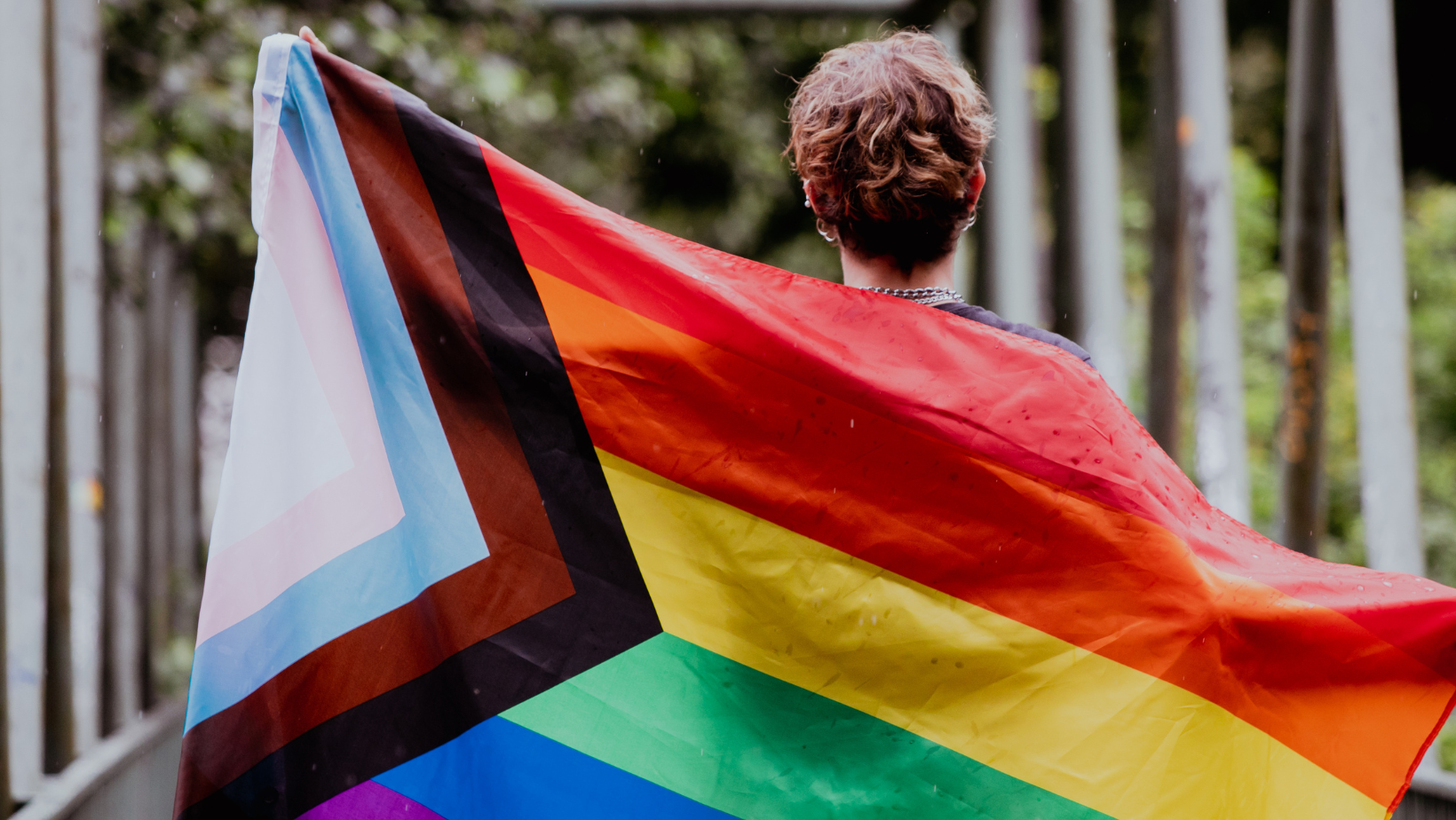
Every June, Pride month arrives in full colour—parades, flags, celebrations for the hard-won progress, decades in the making. Then July follows with Disability Pride, tamer but no less important, carrying its own history and its own call to be recognized. Both moments invite celebration, but for many, Pride doesn’t begin there. Pride begins with resistance—with the decision to exist openly in a world that hasn’t always made space for you.
It helps to look at where both movements began. For decades, queerness was treated as something to diagnose, suppress, or hide. Disability has carried a similar history, framed for generations as something to be cured or kept separated from the rest of the community. Pride, in both cases, was not born from celebration. It came from the refusal to apologize for who you are, how you move through the world, or who you love.
That distinction matters because for a lot of people, especially those living with chronic pain, degenerative conditions, or identities their own families and communities still struggle to accept, ‘pride’ can feel like a pressure to perform a sense of joy that doesn’t reflect their reality. And that was never the point. Pride doesn’t ask anyone to love their own circumstances. Pride asks the world to stop deciding how people should feel about themselves.
This perspective becomes clearer when we look at people living at the intersection of these identities. In Canada, over 700,000 Canadians aged 15 and older identify as 2SLGBTQIA+ and live with one or more disabilities. These individuals sit at the crossroad of multiple marginalized identities. The barriers they face are amplified by stigma, systemic gaps in services, and systems that weren’t designed with them in mind.
Imagine living in a world that already questions your capabilities and also invalidates your identity. Imagine needing to disclose not just a disability, but also who you are or who you love, in healthcare systems, housing, employment, education, etc. Research consistently shows that 2SLGBTQIA+ individuals with disabilities are more likely to experience mental health challenges, face barriers to equitable services, and experience victimization because of who they are. For this population, simply existing openly can be its own form of bravery.
And yet, the people living this reality are not defined by the barriers. They are often deeply self-aware of systems, of support, of what inclusion should actually feel like, because they have had to advocate for it in many ways others haven’t. That lived experience brings a kind of wisdom and resilience that no policy or training can replicate.
This conversation feels especially urgent right now. We continue to see Diversity, Equity, Inclusion (DEI) efforts come under scrutiny, and in some cases, rolled back. When events designed to foster understanding and belonging are cancelled (like the recent decision to call off a drag storytime in a school setting), it raises an important question: what message are we sending to young people about who is welcome, and who is not? It’s 2026, and yet we are still seeing hesitation in spaces that are meant to be inclusive. There truly is more work to be done.
At ABLE2, this is the work we return to every day. We are proud to stand alongside the 2LSGBTQIA+ community, especially those living with disabilities, and to provide the tools, resources, and tailored support that empower them to live with confidence and self-determination. Our Reach Legal Referral Services connects individuals with disabilities with a network of volunteer legal professionals who help them challenge discrimination and assert their rights. Our mission isn’t just to support people, but to empower them to advocate for themselves, and to build lives that are fuller, safer, and lived on their own terms.
As June gives way to July, I’m asking my fellow leaders and advocates to carry this reframing forward. Pride isn’t just a slogan or about raising rainbow flags for one month a year. It’s an ongoing commitment to making spaces for people as they are, regardless of their identities and abilities. It’s allowing people to express themselves fully and participate in ways that are meaningful to them, without asking them first to fit into the mould they are expected to fit into.
In celebrating, advocating, and pushing this work forward, I’ll leave you with a question:
What is one decision you can make today that would make it easier for someone with intersecting identities to show up and participate fully in your space?
Published by
Experienced Non-Profit Executive Director