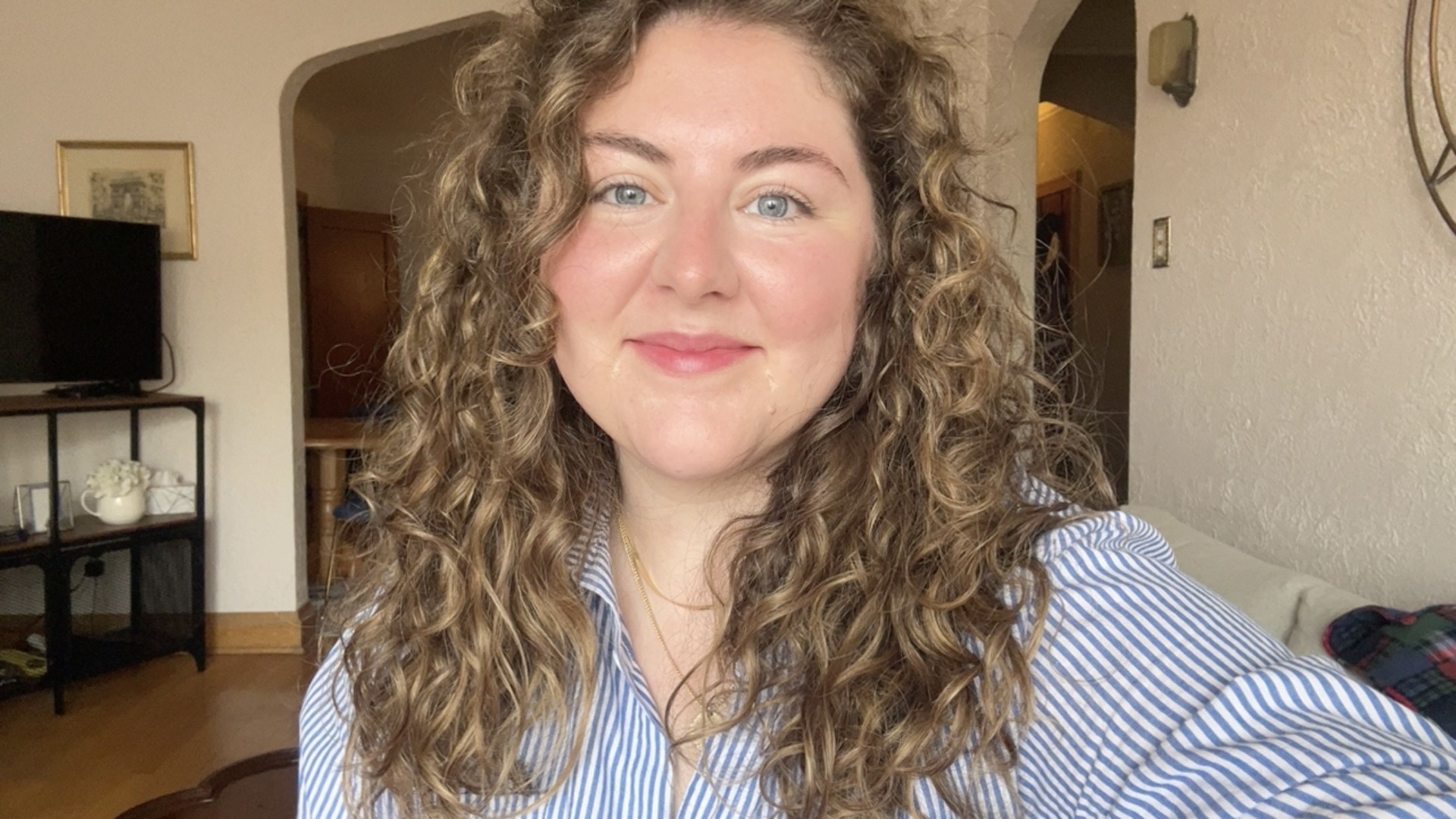
Meet Cameo, ABLE2’s Volunteer Coordinator

“I write a lot of emails,” Cameo says, half-joking. But more than responding to enquiries, developing resources, and streamlining processes, Cameo has been steadily reshaping what volunteer engagement looks like at ABLE2.

Since joining ABLE2 in March of 2025, Cameo stepped into the role of Volunteer Coordinator, supporting volunteers in building meaningful, accessible, and lasting connections with people with disabilities. On any given day, that might mean coordinating onboarding schedules, recruiting and screening volunteers, updating policies, creating resources, tracking participation, and yes, responding to a lot of emails. While the work is multifaceted, it reflects a thread in Cameo’s career—a passion for structure, people, and values.

Before ABLE2, Cameo worked in volunteer and community-focused roles at organizations such as LGBT YouthLine in Toronto and North West Community Health Centres in Thunder Bay. They supported youth leadership initiatives, facilitated programs for gender-diverse youth and adults, and worked directly alongside volunteers in multiple capacities. 

“The Venn diagram of volunteering and my work has always overlapped,” Cameo explains. “They’ve never been two separate circles.”

That overlap is what drew them to ABLE2. When asked why they applied, Cameo’s answer is simple: “I look for values-aligned work first. That’s what brought me here.”

For Cameo, volunteering isn’t about utilizing people’s time or labour, but about building reciprocal relationships. “It’s not about what they can do for us, but how we can create meaningful opportunities with them,” says Cameo.

That philosophy has already translated into measurable impact. Since Cameo started working with ABLE2, volunteer onboarding for programs like the Matching Program has increased significantly, helping reduce waitlists by 26%, and expanding support for people in the community who have been waiting for years. In 2025 alone, more than 400 volunteers contributed 15,000 hours to ABLE2—a culmination of the stronger follow-through and clearer pathways Cameo has built, ensuring more volunteers move successfully through the process and into meaningful roles.

Still, for Cameo, the numbers tell only part of the story. What they find most rewarding is witnessing connection in action. “Seeing how volunteers, through their own free choice, can make a meaningful impact on someone’s life, or even just on an organization or a community.”

One moment that stands out for Cameo happened during Capital PRIDE in August 2025, when volunteers, some of whom also live with disabilities, were able to re-engage in volunteering for the first time in a long while.

“People want to contribute regardless of ability. It’s about figuring out how to tailor volunteer experiences so they’re accessible for people of all abilities,” Cameo reflects.

Looking ahead, Cameo’s goals remain rooted in the same values that brought them to ABLE2 in the first place—ensuring volunteers and service users alike receive the support they need to thrive.

When asked why the community should support ABLE2, Cameo puts it this way:

“ABLE2 brings together people who might never otherwise meet. It creates meaningful connections that benefit everyone involved— people with disabilities, volunteers, and the broader community. That kind of impact matters.”

Outside of work, Cameo describes themselves as someone who loves their cat, enjoys embroidery, and brings a healthy dose of chaotic energy to everything they do. 

Cameo isn’t one to step in front of the camera, but their work speaks volumes. You’re more likely to find them behind the scenes, making sure each volunteer’s experience is rewarding, empowering, and rooted in connection. That steady dedication is what strengthens ABLE2’s programs and deepens the sense of community across the organization. 

In lifting others, Cameo continues to move ABLE2 forward. 

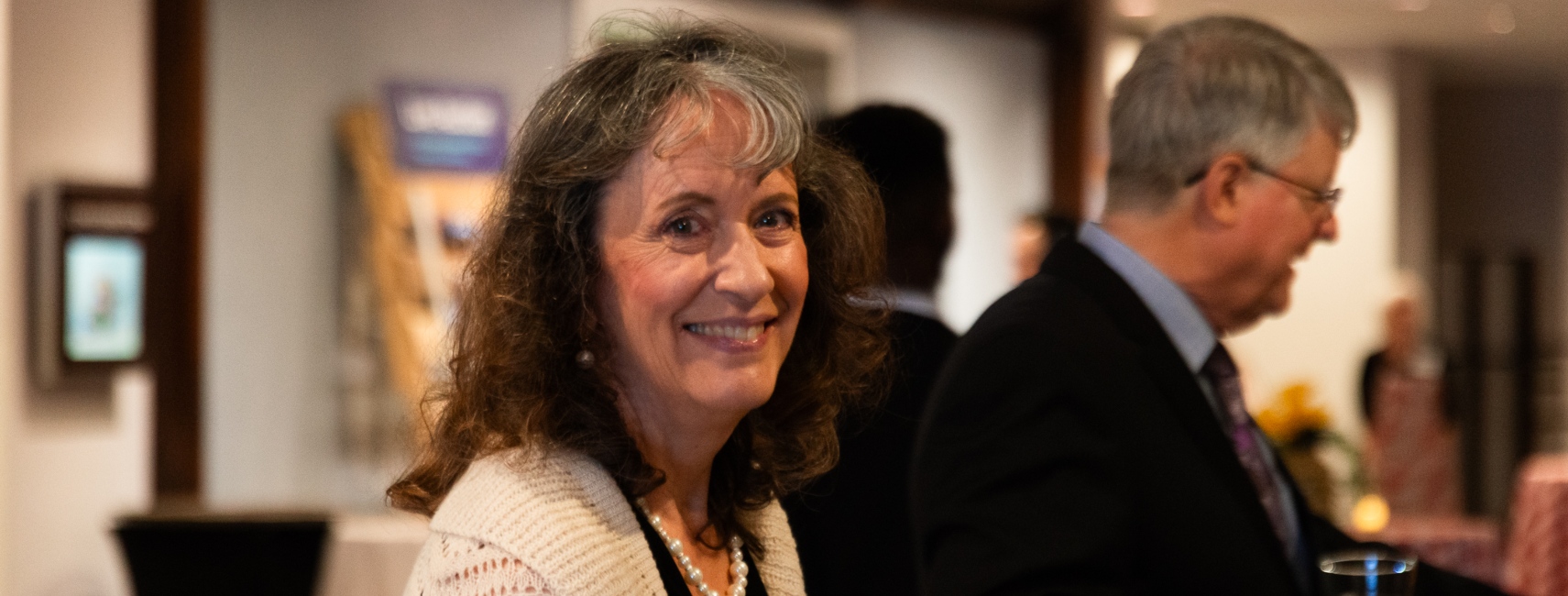
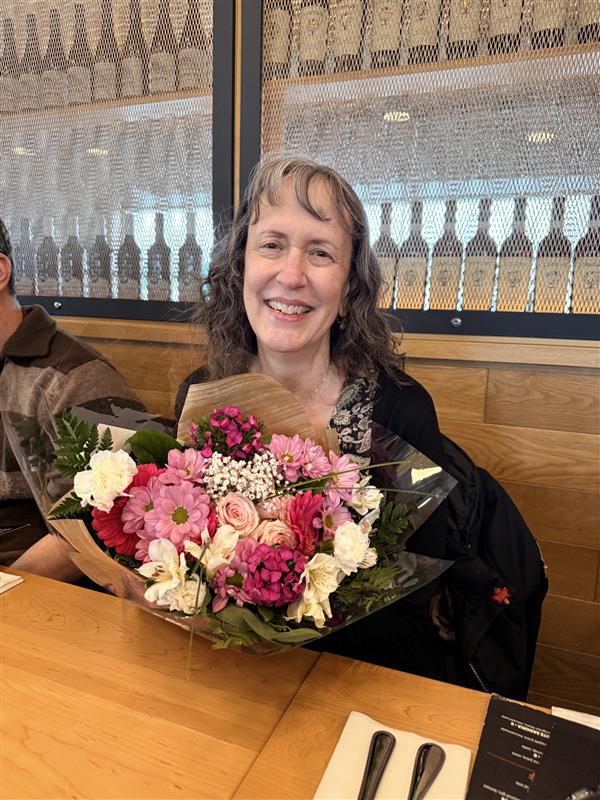
Celebrating Kathleen, ABLE2’s Executive Assistant

After six years as the backbone of ABLE2’s operations, Executive Assistant Kathleen is hanging up her hat (or many hats) for retirement, leaving behind a legacy as impactful and capable as she is.

Before ABLE2, Kathleen built a successful career in corporate IT, moving from programmer to project manager roles across the high-tech sector. However, the pressure, resistance to change, and the relentless pace had taken a toll on her. She yearned for something more meaningful. After connecting with a career counsellor, the opportunity at ABLE2 presented itself. A small team with a powerful mission and an opportunity to make a real difference— “It was exactly what I was looking for,” she reflects. 

She joined ABLE2 in January 2020, welcomed by a team full of warmth and passion, a world away from anything she’d experienced in corporate life. Then, within weeks, a global pandemic ensued. Rather than letting the chaos derail momentum, Kathleen leaned in. She helped staff navigate the technologies of remote work, supported people through the uncertainties, and ensured that the rhythm of work continued even as the world seemed unpredictable. “Helping people continue to do their jobs and keeping us all connected—it jump-started my involvement with staff.” It was a difficult transition, but Kathleen helped set the tone for everything that followed. 

Over the next six years, Kathleen’s talent for practical problem-solving became indispensable. She took on major undertakings, including digitizing a completely paper-based HR system, leading three big office clean-ups, and overseeing the recent move out of the office space ABLE2 had called home for 30 years. These were no small feats, and each one left the organization more efficient, more adaptable to modernization, and more resilient. 

But beyond these projects, Kathleen is most often working hard behind the scenes, ensuring meetings run smoothly, keeping records accurate and accessible, supporting leadership, and always open to answering the steady stream of questions that arrive in her inbox. Most of all, Kathleen has scaffolded the environment where everyone could do their best work, and its impact was felt by every staff member, volunteer, donor, and person ABLE2 supports. 

Among her most treasured memories are ABLE2’s events for the community, particularly the Annual Picnic. “It’s wonderful to see how much people look forward to the social interaction,” she says. One year, a picnic attendee was hoping to hear their favourite song Dancing Queen by ABBA—Kathleen made it happen, and it made someone’s day. It was a small gesture, but one that reminded her of how simple actions can have a significant impact. 

This reflects her belief about why supporting ABLE2 matters. “ABLE2 provides a means for anyone to participate in their community. It’s something we don’t think about too much or often take for granted. People with disabilities face many barriers, and ABLE2 gives people the freedom and confidence to participate in the community. And that’s fundamental.” 

As she steps into retirement, Kathleen is embracing the next chapter with enthusiasm. She is looking forward to travelling more, spending quality time with her grandchildren, reconnecting with friends, and staying active (pickleball is high on the list). She describes the upcoming freedom as “almost unreal”— and she’s earned every bit of it. 

And for those who don’t already know: Kathleen is also a published author. Her debut novel, Whiteout, was released on Amazon in 2021 and garnered raving reviews. A completed draft of her second novel is waiting patiently to be finished, and we have a feeling it won’t wait much longer. 

Looking back at her time with ABLE2, Kathleen shares that she has no regrets shifting from the corporate setting to the charitable sector. “It ended up being far more satisfying than I could have imagined. It’s been a great job. I’ve really enjoyed working here. We’ve got a really good group of people, and I’m very proud to work with this organization.”

Kathleen, you have steadied us through a pandemic, modernized how we work, and brought a quiet dedication to every task—big or small. You have supported our staff, strengthened our operations, and helped shape the experience of countless community members who have simply felt, in the way that matters most, that they belong.  

On behalf of the staff, the Board, and the people we support—thank you. Thank you for your kindness, generosity, and your unwavering commitment to the mission. We wish you endless joy in the adventures ahead, and we cannot wait to cheer you on as you write your next chapters—both in life, and on the page. 

Congratulations on your retirement, Kathleen! You will always be a part of the ABLE2 family! 

Becoming Ready for What Comes Next: Steven’s Housing Journey with ABLE2

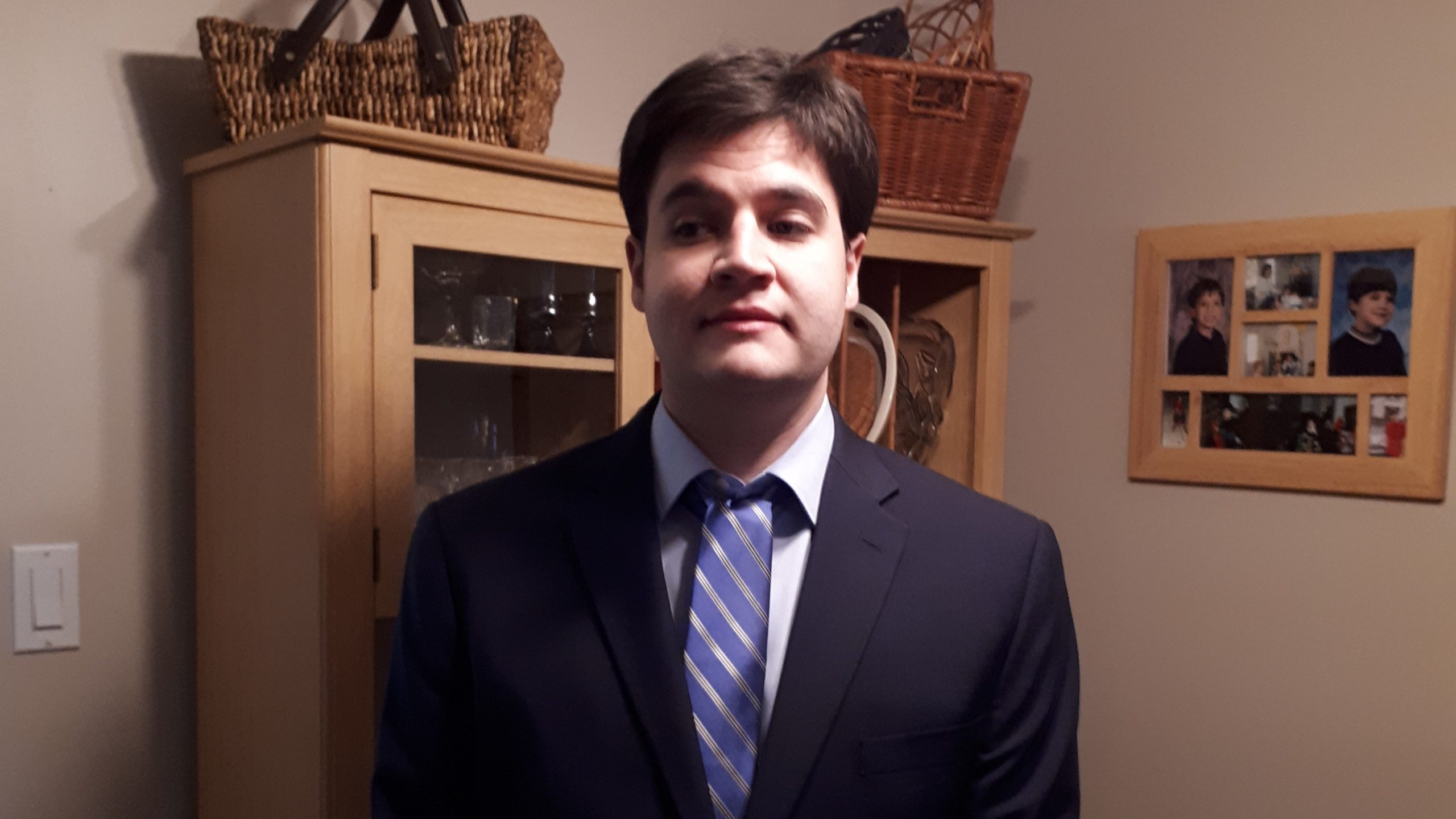
Steven has lived in Ottawa for most of his life. He shares a home with his mother, and balances two part-time jobs—one as a City of Ottawa maintenance worker, and another doing data entry for a taxi company. In his free time, he hangs out with his friends, goes to the movies, and plays guitar. Writing has also become an important outlet for him, and he recently published a memoir about growing up with autism. 

“It’s about determination,” he explains. “About learning how to work with my condition, not against it.” 

Steven’s book ‘Life so Far’ is available here.

That same determination drives a goal Steven holds close—living independently one day.

“My goal is to move out of my mom’s home one day,” Steven shares. “There’s no rush right now, but I want to be ready. My parents won’t be around forever, and when the time comes, I want a safe, decent place to live.”

It’s a goal many people with disabilities share, but one that Ottawa’s housing landscape makes difficult to pursue. Rising costs, limited availability, and lengthy waitlists create barriers for almost anyone searching for a home. For individuals navigating disability-related challenges on top of that, the process can feel especially unforgiving.

Steven began taking steps early. In 2022, he registered with the Ottawa Housing Registry, believing he had set the process in motion. He later discovered his application had never been received. It was a frustrating setback, but it led him to ABLE2’s Housing Support Program, where he was connected with Adult Protective Services Worker (APSW) Patricia. Together, they reapplied, and this time Steven received confirmation that his application was successfully in the system.

Since then, Steven and Patricia have met monthly to navigate paperwork, review housing options, and work through the practical steps of preparing for independent living. They’ve also focused on financial readiness—budgeting, building savings, and planning for the future.

“It’s helpful,” Steven says simply. “It doesn’t hurt to have extra help.”

That steady, consistent support matters. Even when progress feels slow, having someone checking in, answering questions, and helping him plan, makes the journey feel manageable rather than overwhelming.

Steven’s housing goal may still be years away, but he is focused on being ready when the moment comes. He hopes to secure full-time employment, continue saving, and eventually move into a place of his own. In the meantime, APSW Patricia ensures he isn’t navigating these complex systems alone.

Beyond housing, Steven also hopes his story changes how people think about disability. “Someone once told my mom I wouldn’t be able to socialize or do much,” he recalls. “But I proved that wrong.” He has made the Dean’s List in college, holds down two jobs, published a book, and continues to build a life rich with purpose and joy.

ABLE2’s Housing Support Program exists not just to help people find housing, but to empower individuals to pursue independence with confidence. For people like Steven, having consistent guidance and support throughout the journey makes the process feel less daunting—and a life of independence feel within reach.

About ABLE2’s Housing Support Program

ABLE2’s Housing Support Program provides individualized support to help people with developmental disabilities prepare for independent living. Through one-on-one work with Adult Protective Services Workers (APSWs), clients:

  • Explore housing options and understand what’s available
  • Develop essential life skills like budgeting and self-advocacy
  • Navigate housing waitlists and application processes
  • Connect with community resources and supports
  • Build confidence and readiness for independent living

The program recognizes that everyone’s timeline is different, and that true independence can be attained by building a strong foundation of skills and a solid network of support. 

Learn more about ABLE2’s Housing Support Program here.

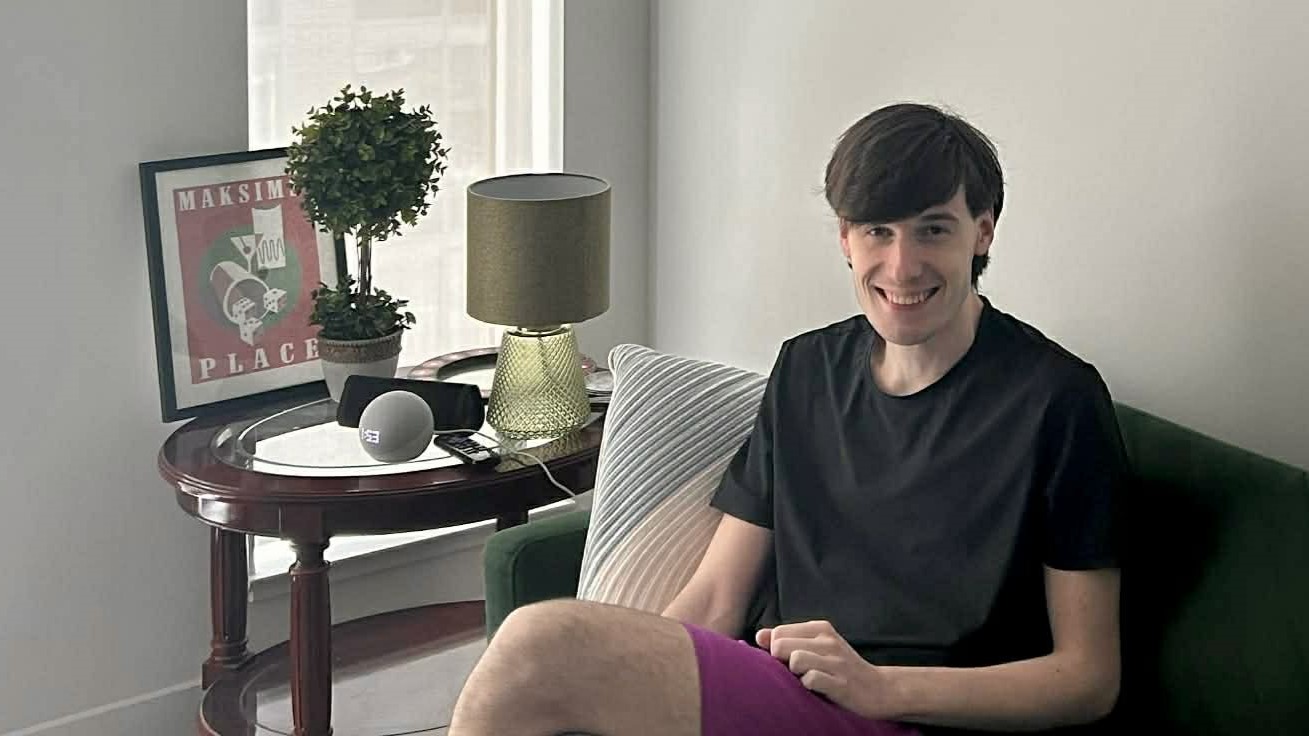
Finding the Right Place to Grow: Maks’ Journey to Independence

For Ava, watching her son Maks grow into an independent young man has been a journey filled with both pride and careful planning. As a mother of a young adult with a disability, she knows that independence isn’t something that happens overnight, but a thoughtful process, with the right support at the right time.

Before moving into his apartment, Maks was constantly going back and forth between his divorced parents’ homes. While surrounded by care, the lack of one steady place made it hard to feel settled. Independence felt out of reach, not because Maks lacked the ability, but because navigating housing systems, funding applications, and accessibility requirements can feel like a maze, especially for families doing it largely on their own.

Maks, now in his early twenties, has always been determined to live independently. “I want my own place,” he says simply. “I want to be able to do things on my own.”

That desire for independence is reflected in his everyday life. Maks works part-time at a job that keeps him busy, gives him structure, and supports his mental well-being. More than just the paycheque, working offers him social connection, routine, and a sense of purpose, which are anchors as he steps into adulthood. 

Through a referral from Developmental Services Ontario – Eastern Region (DSO-ER), Ava and Maks were connected with ABLE2’s Housing Support Program and found exactly what they needed. They started working with Adult Protective Services Worker (APSW) Patricia, who helped turn a distant goal into something realistic and achievable. Patricia supported Maks and Ava through regular check-ins, careful review of housing options, and thoughtful attention to accessibility, affordability, and location. It wasn’t just about finding any apartment but finding the right one. 

“Maks wanted stability,” Ava shares. “A place that was accessible, close to everything he needs, and somewhere he could start building confidence in living more independently.”

Wanting that stability meant confronting a new system that isn’t easy to navigate. Before connecting with ABLE2, Ava spent time researching and she had the patience to navigate paperwork, applications, and phone calls, often with little clarity about next steps. 

Through her efforts, Maks was able to secure financial support to make independent living financially viable through programs that assisted with rent and utilities. Maks receives an extra $100 a month toward his rent through the Ontario Disability Support Program (ODSP), following the change in his housing situation—from living with a parent to renting his own apartment while maintaining part-time employment.  The City of Ottawa (under community and social services, ABU) helped cover his last month’s rent and moving costs. Financial assistance was obtained from Hydro Ottawa (under the Ontario Electricity Support Program) towards Maks’ utility bills.* 

That weight began to lift when Ava and Maks started working with Patricia through ABLE2’s Housing Support Program, which brought reassurance, clarity, and the sense that someone else was walking alongside them.

“I’ve been doing this on my own for a long time,” Ava says. “Having Patricia felt like having an extra pair of hands, extra reassurance. It reminded me that I don’t have to carry this alone.”

When Maks finally moved into his apartment in October 2025, it marked more than a change of address. It was a milestone.

Now, Maks lives in a space that works for him—close to transit, grocery stores, and the downtown city core he enjoys. He takes pride in his home, his routines, and the growing sense of ownership over his daily life. Whether it’s heading out to a movie, watching sports, or simply enjoying the independence of choosing how he spends his time, Maks is settling into a life that feels like his own.

More than finding the right resources, APSW Patricia has also supported Maks in developing the practical skills he’ll need to thrive independently. 

“We’ve worked on budgeting, understanding bills, managing money,” Patricia says. “These are things that seem simple, but when you’re preparing for your first place, they’re essential.”

Maks is also learning to navigate community resources, understand his rights as a tenant, and advocate for his needs—tools that will serve him in the long run.

While the journey toward full independence continues, Ava feels relieved knowing that Maks has a strong foundation and a team behind him. ABLE2’s Housing Support Program didn’t just help them find a place, but helped Maks build confidence, clarity, and a path forward.

For families like Ava and Maks’, support makes all the difference. It turns uncertainty into progress and long, complicated systems into something manageable and human.

Because everyone deserves a place where they can feel safe, capable, and at home, and the support to get there.

*Note: The funding supports mentioned reflect Maks and Ava’s personal experience. Eligibility, amounts, and program details may vary and are subject to change. Readers are encouraged to research current information directly with the respective funding bodies to determine eligibility.

About ABLE2’s Housing Support Program

ABLE2’s Housing Support Program provides individualized support to help people with developmental disabilities prepare for independent living. Through one-on-one work with Adult Protective Services Workers (APSWs), clients:

  • Explore housing options and understand what’s available
  • Develop essential life skills like budgeting and self-advocacy
  • Navigate housing waitlists and application processes
  • Connect with community resources and supports
  • Build confidence and readiness for independent living

The program recognizes that everyone’s timeline is different, and that true independence can be attained by building a strong foundation of skills and a solid network of support. 

Learn more about ABLE2’s Housing Support Program here. 

Mondays Afternoons with Rebecca – Why Showing Up Matters

Rebecca works remotely as a Project Manager for a nonprofit organization, and describes herself as a homebody. But since joining ABLE2’s Matching Program, her Monday afternoons have become something she wouldn’t trade for anything.

When Rebecca first began searching for a volunteer opportunity, she wasn’t sure what she had to offer. Many roles were looking for skills that were either too niche or too technical. Then she came across ABLE2’s Matching Program. 

What stood out was that all I needed to offer was my time. Just being there,” Rebecca recalls.

After applying through Volunteer Ottawa, Rebecca began ABLE2’s onboarding process. She admits it felt daunting at first, but she quickly understood why it mattered. “ABLE2 takes matching seriously,” she recalls. “They really want to make it sustainable and work for everyone involved.” 

Rebecca met her Match in late spring 2025, and over the months, their connection has grown naturally. Now, they’ve settled into a rhythm. Every Monday afternoon, they meet at the same Shawarma restaurant in the neighbourhood where Rebecca’s Friend frequents. Over the fragrant curls of roasted meat, they chat, share a few laughs, and simply enjoy each other’s company. After a couple of months, Rebecca was invited over to her Friend’s house. For her, it was a meaningful step that signalled growing trust and comfort in their friendship. 

Since then, their time together has expanded in small, meaningful ways. They listen to all sorts of music, work together on decluttering her Friend’s home, or sift through life’s joys and trials. Rebecca describes it as simple but deeply grounding. 

Early on, Rebecca would worry she was not “doing enough” as an Ally, or that the conversations weren’t always flowing, or that the outings weren’t productive enough. But her Friend gently shifted that perspective. “Sometimes she’ll just say, ‘I’m so glad to see you today.’ That’s when I realized, being an Ally doesn’t have to be a big thing. You just need to show up.”

Months into the match, Rebecca and her Friend discovered their birthdays fell just days apart. So, when their special day came, they decided to celebrate it together. “I brought her a meal she wouldn’t normally be able to access because she doesn’t go far from home. And the guys at the shawarma place surprised her with a birthday cake. It was such a joyful moment—just sharing a birthday with a friend.” Rebecca shares that it was one of their most memorable moments together as a Match. 

What’s surprised Rebecca most isn’t just the impact she’s had, but what she’s gained in return.

I like having something that gets me out of the house regularly.” Rebecca shares. “I’ve gained a genuine friendship with someone I probably crossed paths with before, but never would have known if not for ABLE2.”

For Rebecca, being an Ally means being someone her Friend can count on. Someone she can call when she’s anxious. Someone to check in with during bad weather. 

Being one of her safe people is an honour,” Rebecca says. “And honestly, it goes both ways. I’ve shared my own mental health challenges with her too. It’s mutual.”

Rebecca also values the ongoing support from ABLE2’s Matching Program team.

“The social workers really check in. Azra has been fantastic. It’s comforting to talk things through and know support is there. And Lenka, who did my onboarding, was great too. You come into the program knowing that you’re never doing this alone.”

For anyone feeling hesitant about volunteering, Rebecca’s offers reassuring advice: “Make sure you’re ready for the commitment, but know that once you’re in it, it won’t feel like an obligation. It becomes something you want to make time for.”

She adds, “Don’t put pressure on yourself about what the Match needs to be. Let it develop organically. You really just need to show up.”

Perhaps the biggest shift for Rebecca has been her perspective on disability.

“It’s not as intimidating as you think. You realize pretty quickly that you have so much more in common than you expect,” she shares.

On Monday afternoons, Rebecca is proving that meaningful change doesn’t come from doing something extraordinary—it comes from being present, consistent, and open to connection.

And sometimes, all it takes is showing up.

There are still over eighty people with disabilities waiting for Allies like Rebecca. If you can offer just a few hours a month, you can make a difference too. 

Learn more about volunteering with the Matching Program here

The Power of Being Seen: Kelly-Anne & Maria’s Friendship

For most of her life, Kelly-Anne has heard the same thing over and over: “But you don’t look disabled.” What most people don’t see is her strength and the courage it takes to face a world not built for invisible disabilities. 

Kelly-Anne lives with an invisible disability. She has difficulty reading, writing, navigating directions, and math, which feels nearly impossible for her. Throughout her life, she’s also dealt with mental health challenges. But because there are no physical markers of her disability, people assume that she’s simply not trying hard enough. “People get impatient when you can’t count change correctly at checkout. They don’t realize that taking the bus is terrifying when you can’t always read the numbers or understand the signs.” 

Over the years, Kelly-Anne has watched resources go to others and experienced being left out of programs, always pushed to the back of the line to “give way for those who need it more.” She has had to constantly explain herself, yet never wanted to be a burden to others. 

“I learned to make myself smaller, to put my own needs last, and pretend I was fine.”

Throughout her school years, she found herself caught in the middle— too capable for the general support system for people with disabilities or not disabled enough for another. She was pushed to the margins, dismissed, and judged by those who could not see what she was struggling with. Because of this, Kelly-Anne became profoundly self-aware, learning to read rooms and anticipate rejection. She braced herself for the moment when people would realize she wasn’t what they expected. 

When Kelly-Anne came to ABLE2, she was hesitant. She was afraid to believe that the program would truly consider her as someone who deserved support. But she came anyway, because deep down, she knew she needed to try something different. She knew she wanted to find a genuine connection with someone outside of her family. What she found was beyond what she dreamed of. 

“ABLE2 saw me,” Kelly-Anne says. “For the first time in my life, I heard the words: ‘Your disability is real. Your needs matter just as anyone else’s.” 

Through ABLE2’s Matching Program, she met Maria— not just any volunteer, but someone carefully matched to her through a rigorous, intentional process. Maria didn’t just put in hours or go through the motions. She genuinely wanted to get to know Kelly-Anne and build a friendship. 

On one of their first outings, Maria made sure she got home safely because she knew Kelly-Anne struggled with bus numbers and directions. She asked her to text when she arrived, not out of pity or obligation, but because she genuinely cared. 

“No one had ever done that for me before,” Kelly-Anne reflects.

Today, Maria and Kelly-Anne’s friendship has evolved into something neither expected. “Maria is my best friend,” says Kelly-Anne. They explore the city just as friends do— visiting museums, taking pottery classes, and watching movies. They share a love for cats and even wore matching cat-embroidered shirts to their interview. They share lots of laughs, learn about each other’s worlds, and see perspectives they never would have discovered on their own. 

Maria has become an advocate in her own circle, helping her friends and family understand what it really means to live with an invisible disability. She’s learned so much from Kelly-Anne that she now educates others about disabilities people didn’t know existed. 

For Kelly-Anne, the impact runs deeper. “For the first time in 49 years, I don’t feel invisible anymore.”

When asked about the highlight of their friendship, both Maria and Kelly-Anne share the same memory: Christmas at Kelly-Anne’s home. 

Maria recalls it like stepping into a dream: “It felt like going to the North Pole. The house was decorated from floor to ceiling, and Kelly-Anne and her family welcomed my partner and me with open arms. We were showered with gifts and shared a beautiful meal. I don’t have family here, so spending Christmas with them gave me the warmth and love that made us feel like we were part of their family.”

For Kelly-Anne, the significance was different but equally profound: “It was the first time I brought a friend— my friend, not my brother’s friend or my mom’s friend. And it felt great for my family to get to know this amazing person who was my friend.” 

For the first time in a long time, Kelly-Anne had someone who genuinely wanted to spend time with her, not because of her disability, but because of who she was. For the first time, she felt like she truly mattered.

In the beginning, Kelly-Anne had doubts about the match. She reflects, “If someone doesn’t call you, if they don’t do that little extra bit… that’s when you have all the doubts in your head. You start wondering, did I do something wrong? Am I not good enough?” 

But Maria kept showing up. She kept choosing their friendship, even when life got complicated. Even when Kelly-Anne had bad days. Even when circumstances shifted—because real friends don’t disappear just because life changes.

Maria echoes this sentiment: “I really admire Kelly-Anne. She has her head up through anything, and she is the kindest, sweetest person I have ever known. Like, she makes sure that when we try out a new restaurant, there are vegan options for me. She shows up for me in ways that matter. To me, that’s what real friendship is.”

When asked what they’d say to potential volunteers, Kelly-Anne’s answer is simple: “Give it a shot. You learn a lot from each other, a lot of stuff that you wouldn’t normally learn on your own. It’s really a unique learning experience, and you meet some really fantastic people.” 

Maria adds, “I came to volunteer, but I gained so much more. The matching process was rigorous, yes, but it was absolutely worth it. This has been such an eye-opening, deeply rewarding experience.” She discovered that the greatest gift wasn’t what she could give—it was what she gained from truly knowing Kelly-Anne.

ABLE2 stands on the belief that every person deserves to be seen as able, important, and valued. Through the Matching Program, Kelly-Anne finally received this truth, and it reshaped her world: You matter. Your disability is real. You are worth the effort. 

But Kelly-Anne’s story doesn’t happen by chance. It happens because generous donors like you invest in ABLE2’s programs and services like the Matching Program. You invest in the rigorous matching process, the ongoing support from trained staff, and the infrastructure of genuine human connection. 

And right now, there are still over 100 people with disabilities waiting for their match. Waiting to hear that their disability matters. Waiting for someone to see them. Waiting to feel like they belong. 

When you donate to ABLE2, you help rewrite more stories like Kelly-Anne’s. You ensure that people with invisible disabilities finally hear: You matter. You are seen. You are worth the effort.   

Make a gift today. Be an Everyday Champion for people with disabilities. 

Worth the Wait: Finding Connection, Laughter, and Belonging

Written by Stephen S.

I am a retiree with 33 years in the Public Service who lives alone in my own condo. I am an only child, and my relatives fall into two categories: dead and deadbeats. Personally, I find the former more relatable. I had been on the ABLE2’s Matching Program’s waiting list for over ten years. I got so discouraged that I told the coordinator to take me off the list. Fortunately, he convinced me to stay on. 

It was well worth the wait. About three years ago, I was matched with someone approximately my age. He is about to retire, so we are in the same phase of life, the one just before the twilight years. I can rely on him in case of an emergency or if I just want to get out. We both have a wicked sense of humour, heavy on sarcasm, light on political correctness. Our favourite activity is eating and drinking. We have travelled to many small towns around Ottawa for a change of scenery. But our most frequently attended fine establishment is Tim Hortons. Together, we only need 2,368,450 more reward points before we win our own franchise! 

I have also used ABLE2’s Reach Legal Referral Services, which gives access for disabled persons to lawyers willing to work pro bono. My case was against the Ontario government. I learned from the process that common sense may ensure a moral victory, but not necessarily a legal one. 

Seriously, ABLE2’s Matching Program has enabled me to escape my social isolation and to share my hopes and frustrations interspersed with a healthy dose of laughter. I can think of no more worthy endeavour to support.

The Power of Showing Up: Julie & Olivia’s Friendship

When Julie first joined ABLE2’s Matching Program, she wasn’t just looking for someone to spend time with—she was hoping to find a real connection. What she found in Olivia was more than an Ally. She found a friend who would stand by her through life’s ups and downs.

Before being connected through ABLE2, Julie often felt alone and struggled to make friends. Since meeting Olivia, she’s enjoyed going out into the community, meeting new people, and having new experiences. 

“This program helped me in a lot of ways. I was able to make new friends and enjoy endless possibilities,” she shares.

Olivia, her volunteer Ally, shares: “I love our coffee or dinner times, and she even got me back into doing art again. I am lucky to have met such a dynamic and funny friend through ABLE2! She is an amazing person and my family gets along with her too.”

Four years later, their friendship has blossomed into something truly special. From coffee dates and shopping trips to sharing laughs over TikToks and spending holidays together, Julie and Olivia have built a bond rooted in trust, joy, and mutual respect.

Their story isn’t about grand gestures—it’s about the power of showing up for a friend. The quiet strength of friendship, the kind that grows through everyday moments and shared experiences, changes lives, just like it did for Julie and Olivia. 

For over 50 years, ABLE2’s Matching Program has been changing lives, creating intentional, one-to-one friendships between people with disabilities and volunteer Allies. These matches reduce social isolation, build confidence, and offer meaningful connections.

Your support makes friendships like Julie and Olivia’s possible. By donating, volunteering, or spreading the word, you help ABLE2 ensure that no one walks through life alone.

Learn more or get involved at www.able2.org.

Meet Andrea: ABLE2’s FASD Worker Transforming Lives Through Lived Experience

Andrea has spent her life navigating the complex landscape of disability support—not just as a professional, but as someone who has lived through its challenges firsthand. Growing up, she and her siblings took turns caring for their father, who lived with a disability, while pursuing their education. This meant Andrea stayed in her hometown to share caregiving responsibilities while completing her post-secondary studies online. Yet even this arrangement created another barrier: she could not receive funding for her education if she continued living in the family home, as it would reduce her father’s ODSP benefits. To continue her studies, she had to move out and live separately while navigating online courses in a community where reliable internet access was still scarce. At every turn, Andrea and her family encountered barriers in a system that seemed designed to exclude those who needed it most.

“Growing up, I saw how hard it was for families like mine to get the support they needed,” Andrea shares. “Having lived experience in the system inspires everything I do.”

Thankfully, things have changed since then, but that formative experience would drive her into a lifelong career of advocacy. Andrea has worked as an Educational Assistant for over 15 years, then as a Resource Coordinator, helping individuals with disabilities connect to available government supports. Now, as an FASD (Fetal Alcohol Spectrum Disorder) Worker with ABLE2, Andrea has found a role where her professional expertise, passion for advocacy, and lived experience converge to make a tangible difference in people’s lives.

FASD remains one of the widely misunderstood and underdiagnosed disabilities. This lifelong condition affects brain development, impacting critical areas including learning, memory, language, social skills, motor coordination, and decision-making abilities. However, because FASD is largely invisible and carries significant stigma due to prenatal alcohol exposure, it frequently goes unrecognized—leaving individuals without access to the specialized support and resources they need to reach their full potential.

Through ABLE2’s Fetal Alcohol Resource Program (FARP), Andrea provides essential education, training, advocacy, and service navigation for families of individuals with FASD in the Ottawa region. For parents raising a child with FASD, confusion and exhaustion are all too common. “When I first contact families to tell them they are off the waitlist, they feel instantly relieved, like a weight has been lifted off their shoulders,” Andrea explains. “Parents often don’t understand why their child behaves the way they do, and many don’t even know where to start or what resources are available to them.”

She recalls a foster mother who was at her wit’s end, overwhelmed by the lack of guidance and resources available for raising a child with FASD. “She told me, ‘You’re the first person to come into a meeting with solutions rather than asking me what I need.’ That moment stuck with me. It’s my job to meet them where they are and help them take that next step.”

Andrea’s role extends far beyond family support—she is actively working to transform societal understanding of FASD. Through her FASD 101 Training sessions, she collaborates with school boards and social service agencies to equip frontline workers and caregivers with the knowledge to identify FASD-related challenges and make informed decisions when supporting affected individuals. “I’ve had teachers and foster parents come up to me after my sessions and say, ‘I had no idea this was what FASD looked like,'” Andrea reflects. “That’s exactly why I do this work, because awareness is the first step toward meaningful action.”

Because FASD research and resources are relatively new, not many people are familiar with it. Andrea is determined to change that. “This is one of the disabilities that is preventable yet has a higher rate than Autism, Cerebral Palsy, and Down Syndrome combined. I’m passionate about bringing more education about FASD in the community so we can prevent the risk, but at the same time remove the stigma around it,” says Andrea.

The need for ABLE2’s FARP is staggering, with over 60 families still waiting to be supported. With only three FARP workers serving the entire Ottawa region, the program operates under a weighty caseload. “We’re trying to address a massive need with very limited resources,” she says. “But we continue to push forward because I know the struggles; these families can no longer afford to wait.”

Almost a year into her role, Andrea takes pride in working with ABLE2 to empower people with disabilities and help build an inclusive community for all. Her dedication drives the impactful and essential work that ABLE2 does every day. Through her role, Andrea empowers families and children to thrive, advocates for systemic change, and fosters genuine inclusion. For ABLE2, having a professional like Andrea—someone who intimately understands the systemic barriers she now helps others navigate—is invaluable. As a FARP Worker, her interventions serve as a lifeline for families working to overcome these challenges.

Why Your Support Matters

Through her work, Andrea is changing lives, one family at a time. But the need is far greater and there is more work to be done. With more funding, more resources, and more community support, FARP could impact thousands more families struggling in silence. 

No family should have to navigate FASD alone. No child should be left without the tools they need to succeed. 

With your continued support, programs like FARP can ensure that more families don’t just survive but thrive and build lives of meaning and joy. 

Learn more about how you can support ABLE2’s programs here.

Meet Jacqueline, ABLE2’s Fundraising & Events Officer

Hi, I’m Jacqueline, I am the Fundraising and Events Officer at ABLE2!

I joined ABLE2 in February 2025, and it’s been an incredibly fulfilling journey so far. What inspired me to work in the non-profit sector was the fact that you can make a difference in the lives of others and be an advocate for people in marginalized communities in a very hands-on way. I am lucky to be a small part of an organization that supports people with disabilities and their families in such unique and impactful ways. 

Before joining ABLE2, I built my career in the non-profit sector, holding a variety of roles that shaped my passion for community work. I have been a Project Coordinator & Program Coordinator at Dress for Success Toronto, Fundraising & Events Coordinator at Christie Lake Kids, and Manager of Communications & Outreach at Dress for Success Canada Foundation. 

What I find most rewarding about my role with ABLE2 is that it directly impacts the programs and services we provide to our community. Without funding and donations, we would not be able to provide these services to the ABLE2 community. This can also be the greatest challenge because so much of our work relies on the funding and financial support we receive. The best that I can do in my position is to make sure that the mission of ABLE2 remains at the forefront of everything we do, and that the Ottawa community is reminded that people living with disabilities deserve the support, respect, and acknowledgement that other communities receive.

Why support ABLE2? Because it provides services to people living with disabilities like no other organization in Ottawa. Our programs are essential to our service users and ensure that they are getting the support they need while navigating systems that are not set up for them to succeed in the first place. We support people through our programs and services but keep them engaged through volunteering, community-centred events, and long-lasting friendships. 

We are so much more than our programs – we are a community! 

Outside of work, I’m a big hobbyist! My best friend is my dog, Honey, and I love spending my downtime doing puzzles, making blankets, reading, and watching sports. These little joys keep me balanced and energized for the work I love.